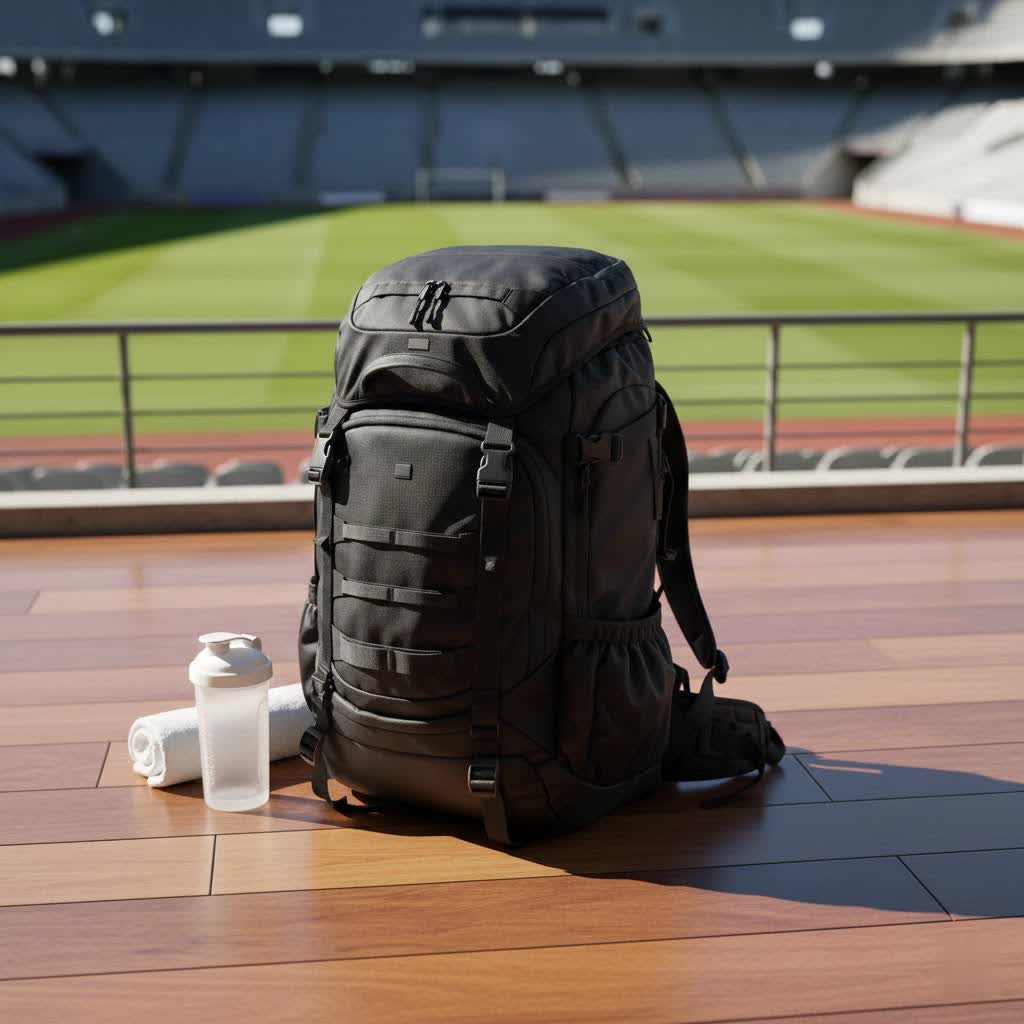
Embarking on any adventure, whether it’s a bustling city escape, a remote wilderness trek, or simply your daily commute, requires a reliable companion for your essentials. A water resistant travel backpack isn’t just a convenience; it’s a necessity that offers peace of mind against unpredictable weather and accidental spills. Imagine navigating a sudden downpour without a second thought for your electronics or important documents tucked safely inside your pack. This guide will delve into everything you need to know, from the fundamental differences in water protection to the key features that make a water resistant travel backpack an indispensable piece of gear.
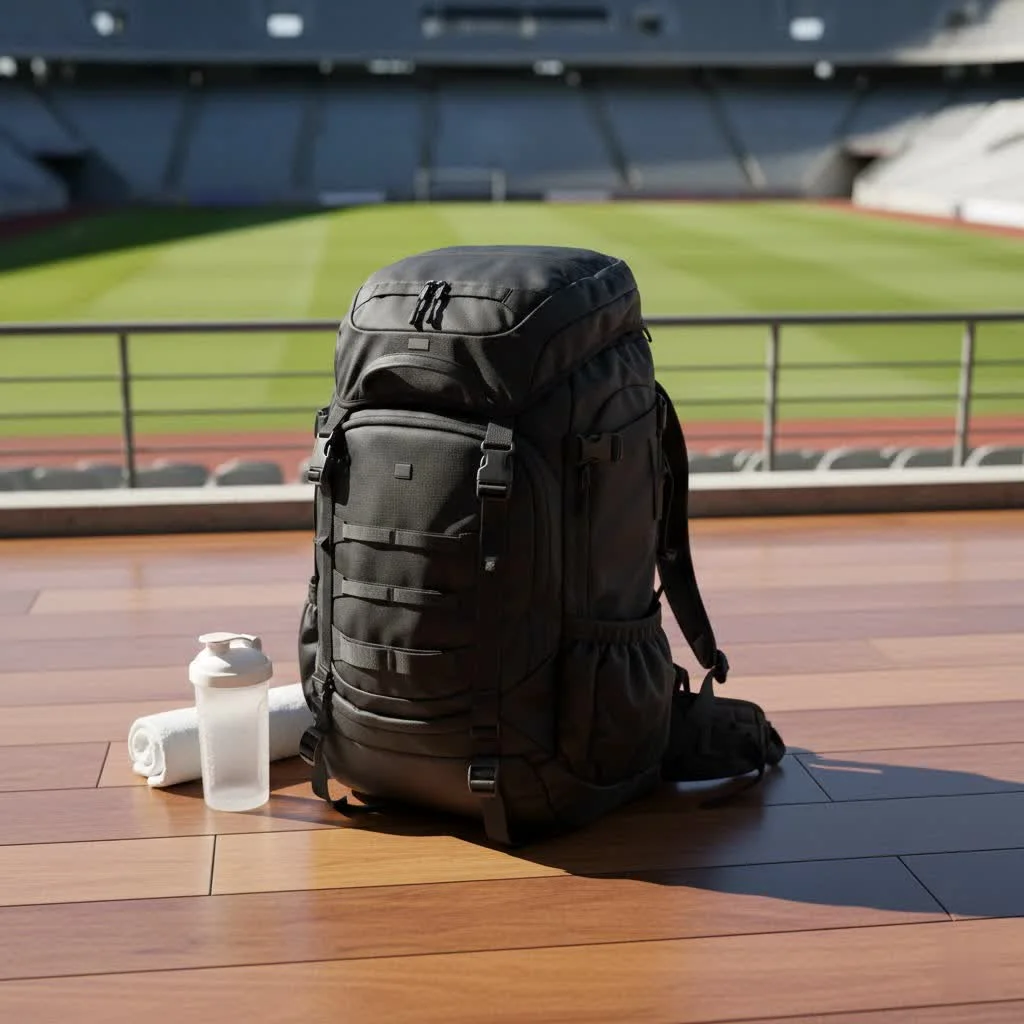
Water Resistant Travel Backpacks: An Essential Overview
In the realm of travel gear, the terms “water resistant” and “waterproof” are often used interchangeably, leading to confusion. However, understanding the distinction is paramount when selecting a travel backpack. A water resistant travel backpack is designed to repel light rain, splashes, and moisture for a limited time, thanks to treated fabrics and coatings. Think of it as your first line of defense against everyday wetness. In contrast, a truly waterproof backpack offers complete protection, preventing water entry even during heavy downpours or brief submersion. These often feature welded seams and specialized closure systems, making them ideal for extreme conditions or water-based activities. For most travelers, commuters, and day-trippers, a well-chosen water resistant travel backpack strikes an excellent balance between protection, weight, and everyday usability.
Crucial Criteria for Selecting Your Ideal Water Resistant Travel Backpack
Choosing the perfect water resistant travel backpack involves more than just picking a stylish design. It requires careful consideration of several factors to ensure it meets your specific travel demands and keeps your belongings safe and dry.
Capacity Considerations
The capacity of your water resistant travel backpack, measured in liters (L), dictates how much you can comfortably carry and is directly tied to the length and type of your trip.
- 10-25L: Ideal for day trips, daily commutes, or as a personal item for flights. These are lightweight and compact, perfect for carrying essentials like a laptop, water bottle, and a light jacket.
- 25-40L: Suitable for weekend getaways or minimalist overnight trips. This range offers more space for a change of clothes, toiletries, and additional gear without being overly bulky.
- 40-60L+: Designed for longer journeys or adventures requiring more extensive gear, such as multi-day hiking or international travel where carry-on size limits are less stringent.
To estimate your needs, lay out everything you plan to pack for a typical trip. Consider what items are absolutely essential and how much space they occupy. Remember, an overstuffed backpack is not only uncomfortable but can also strain seams, potentially compromising its water resistance.
Material Matters
|
Our Picks for the Best Travel Backpack in 2026
As an Amazon Associate I earn from qualifying purchases.
|
||
| Num | Product | Action |
|---|---|---|
| 1 | coowoz Travel Backpack For Women Men,Carry On Backpack,Hiking Backpack Outdoor Sports Rucksack Casual Daypack travel essentials(Beige Brown) |

|
| 2 | Taygeer Carry On Backpack, Womens Travel Backpack with USB Charging Port & Shoe Pouch, Laptop Mochila 15.6inch Flight Approved, College Teacher Tote Bag for Business Travel Supplies, Grey |
|
| 3 | Taygeer Travel Backpack for Women, Carry On Backpack with USB Charging Port & Shoe Pouch, TSA 15.6inch Laptop Mochila Flight Approved, Nurse Bag Casual Daypack for Weekender Business Hiking, Pink |
|
| 4 | Taygeer Travel Laptop Backpack for Men Women, Airplane Approved Travel Backpack Suitcase with Usb Charging Port, Lightweight College 35l Luggage Bag 15.6inch Laptop Mochila Gifts for Business,Black |
|
| 5 | coowoz Travel Backpack For Women Men,Carry On Backpack,Hiking Backpack Waterproof Outdoor Sports Rucksack Casual Daypack Travel Essentials(Black) 25L |
|
| 6 | coowoz Travel Backpack For Women Men,Carry On Backpack,Hiking Backpack Waterproof Outdoor Sports Rucksack Casual Daypack Travel Essentials(Olive Green) |
|
| 7 | coowoz Travel Backpack For Women Men,Carry On Backpack,Hiking Backpack Waterproof Outdoor Sports Rucksack Casual Daypack Travel Essentials(Blue) |
|
| 8 | Taygeer Carry On Backpack, 35l Travel Backpack for Women Airline Approved, Cute Underseat Personal Item Travel Bag With Shoe Compartment, Casual Daypack Gifts for Friend Hiking Outdoor Weekend,Blue |
|
| 9 | Taygeer Laptop Backpack Purse for Women, Backpack for College Essentials with 15.6inch Laptop Compartment, Travel Bag Airline Approved CarryOn Work Bag for Nursing Doctor Business Travel, Brown |
|
| 10 | Taygeer Travel Backpack for Women, Carry On Backpack with USB Charging Port & Shoe Pouch, TSA 15.6" Laptop Back Pack Flight Approved, College Gym Bag Casual Daypack for Weekender Business Hiking,Beige |
|
The materials used in a water resistant travel backpack are fundamental to its protective capabilities and overall durability. Most water-resistant fabrics are not inherently impervious to water but are treated to repel it.
- Coated Nylon and Polyester: These are the most common base materials. Nylon is renowned for its strength and abrasion resistance, while polyester is often more budget-friendly and offers good UV resistance. Both are typically treated with coatings like Durable Water Repellent (DWR), Polyurethane (PU), or Thermoplastic Polyurethane (TPU). DWR causes water to bead up and roll off, while PU and TPU coatings create a more significant barrier on the fabric’s surface.
- Cordura®: A high-performance nylon fabric known for exceptional durability and tear resistance, often chosen for more rugged water resistant travel backpacks.
- Waxed Canvas: Offers a classic aesthetic and natural water repellency, though it’s generally heavier and less effective against heavy downpours compared to synthetic coated fabrics.
When evaluating materials, consider the denier count (e.g., 420D, 500D). A higher denier indicates a thicker, more durable, and often more water-resistant fabric, though it may also increase the backpack’s weight.
Design and Functional Features
Beyond basic water resistance, a thoughtful design with specific features can greatly enhance the usability and protection of your travel backpack.
- Closure Systems: While some highly water-resistant backpacks feature specialized water-resistant zippers, roll-top closures offer superior protection by creating a tighter, more impermeable seal. Roll-tops are particularly effective for keeping the main compartment dry even in heavy rain.
- Zippers and Seams: Look for backpacks with YKK AquaGuard zippers or similar water-resistant zippers that have a rubberized coating to prevent water ingress. Critically, taped or welded seams are essential. Standard stitching creates tiny holes that water can penetrate, so sealed seams are key to preventing leaks.
- Dedicated Compartments: A padded, water-resistant laptop sleeve is crucial for protecting electronics. Other organizational pockets, like quick-access front pockets or side water bottle holders, should also consider water resistance, perhaps with drainage grommets or covered zippers.
- Ventilation Systems: While water-resistant materials can sometimes reduce breathability, many travel backpacks incorporate air-mesh back panels and channels to promote airflow and reduce sweat, improving comfort on long journeys.
Prioritizing Comfort
A water resistant travel backpack, regardless of its protective qualities, must be comfortable to wear, especially during extended periods.
- Back Panel: Look for contoured back panels with ample padding and breathable mesh to improve airflow and reduce pressure points.
- Shoulder Straps: Padded, ergonomic shoulder straps that distribute weight evenly are crucial. Adjustable straps allow you to customize the fit to your torso length and body shape.
- Sternum Strap: This strap connects the shoulder straps across your chest, helping to stabilize the load and prevent the straps from digging into your shoulders.
- Hip Belt: For larger capacity backpacks (30L+), a padded hip belt is vital as it transfers a significant portion of the weight from your shoulders to your hips, greatly improving comfort and stability.
Proper fit is essential. When trying on a backpack, ensure the hip belt sits comfortably on your hip bones and the shoulder straps follow the curve of your shoulders without creating gaps or excessive pressure.
Top Water Resistant Travel Backpack Brands and Models
The market offers a wide array of water resistant travel backpacks, each catering to different needs and preferences. Here’s a look at some reputable brands and popular models known for their balance of water resistance, durability, and thoughtful design.
For urban explorers and commuters, brands like Troubadour with their Bivy Tote Backpack offer a stylish solution with water-resistant fabrics and zippers, perfect for daily commutes and light travel. Similarly, Got Bag’s Daypack uses recycled Ocean Impact Plastic with an eco-friendly waterproof coating and water-resistant zippers, blending sustainability with protection for city life and beach days. Rains is another brand specializing in rainwear and bags, with models like the Backpack Mini featuring waterproof PU coated fabric, ideal for keeping essentials dry during stormy weather without sacrificing style.
If you’re an outdoor enthusiast or frequently face more challenging weather, brands like Patagonia offer highly water-resistant options such as the Black Hole Pack. This line is known for its rugged 300D recycled polyester ripstop with a TPU coating, making it excellent for various adventures where keeping gear dry is paramount. While not fully submersible, these packs stand up admirably to splashes and heavy rain. Mountain Hardwear’s Simcoe backpack, with its TPU shell and YKK AquaGuard zippers, provides exceptional water resistance and easy cleaning for urban and trail use.
For those needing robust protection bordering on waterproofness for light water activities or very heavy rain, ORTLIEB is a standout. Their Velocity Waterproof Backpack, while technically highly water-resistant (IP64 rated), features a roll-top closure and durable materials that excel in protecting contents from significant moisture exposure, making it popular among bike commuters. Brands like Peak Design also offer highly water-resistant outdoor backpacks, incorporating durable ripstop nylon and often providing optional rainfly accessories for an extra layer of security.
When comparing models, always consider the primary use. A roll-top design like those from ORTLIEB will generally offer better protection against prolonged exposure than a zippered water resistant travel backpack, even one with water-resistant zippers. However, zippered backpacks often provide quicker access to contents. Many of these brands also focus on comfortable harness systems, including padded back panels and adjustable straps, to ensure ease of carry whether you’re walking through a city or hiking a trail.
“The true value of a travel backpack isn’t just in its capacity, but in its ability to adapt to the journey’s demands, keeping your essentials secure and dry, no matter what the weather throws at you.” – Admin, Reviewmaticx.com
Where to Purchase Your Water Resistant Travel Backpack
Finding the right water resistant travel backpack can be an exciting part of trip preparation. Both online and physical stores offer distinct advantages when making your purchase.
Online Retailers
Online shopping provides unparalleled convenience and a vast selection. Major e-commerce platforms and brand-specific websites are excellent starting points.
- Advantages: You’ll find a broader range of brands, models, sizes, and colors than in most physical stores. Online retailers often have competitive pricing, frequent sales, and detailed product descriptions, including material specifications and customer reviews.
- Tips for Online Shopping: Pay close attention to product specifications, especially the distinction between “water-resistant” and “waterproof.” Read user reviews for insights into real-world performance regarding water protection and comfort. Verify the retailer’s return policy, especially if you’re unsure about the fit or features, as you won’t be able to try it on beforehand. Look for clear images that show internal organization, zipper types, and back panel design.
Brick-and-Mortar Stores
Visiting a physical store can be invaluable for certain aspects of your backpack purchase.
- Advantages: The primary benefit is the ability to physically inspect the backpack. You can feel the materials, test zippers and buckles, and most importantly, try the backpack on. This allows you to assess the fit, comfort of the shoulder straps and hip belt, and how the weight is distributed. Store staff can also offer personalized advice and demonstrate features.
- Suggestions: Look for outdoor gear specialty stores or travel luggage shops. These often have knowledgeable employees who can guide you through different models and help you find a water resistant travel backpack that perfectly matches your body type and intended use. Don’t hesitate to load the backpack with some weight in-store to get a more accurate feel for its comfort.
Maximizing Your Water Resistant Travel Backpack: Use and Care
Once you’ve chosen your water resistant travel backpack, understanding how to use and care for it will ensure its longevity and continued performance.
Smart Packing Techniques
Effective packing not only optimizes space but also adds an extra layer of protection for your belongings within a water resistant travel backpack.
- Layer for Protection: While your backpack offers external water resistance, consider using internal dry bags or waterproof pouches for critical items like electronics, documents, and essential clothing. This provides redundancy in case any moisture breaches the outer layer.
- Distribute Weight Evenly: Place heavier items closer to your back and center to maintain balance and comfort. Lighter, bulkier items can fill the remaining space.
- Protect Fragile Items: Pad delicate items with soft clothing. If your backpack has a dedicated laptop sleeve, use it, but for extra peace of mind, a waterproof laptop sleeve within that compartment is a smart choice.
- Accessibility: Organize items you’ll need frequently in easily accessible pockets. Ensure these external pockets, if used for sensitive items, also feature water-resistant zippers.
Cleaning and Maintenance
Proper cleaning and storage are crucial for preserving the water-resistant properties of your backpack.
- Regular Cleaning: After trips, especially in dirty or wet conditions, gently clean your backpack. Use a mild soap or specialty gear cleaner and a soft brush or cloth with lukewarm water. Avoid harsh detergents, bleach, or hot water, as these can degrade fabric coatings and DWR treatments.
- Focus on Stains: For stubborn dirt, lightly scrub the affected areas. Pay attention to zippers, as dirt can impair their function and water resistance.
- Rinse Thoroughly: Ensure all soap residue is rinsed off, as it can attract dirt.
- Air Dry Completely: Hang your backpack upside down in a well-ventilated area away from direct sunlight or heat. Ensure it is completely dry before storing to prevent mildew growth.
- Re-apply DWR (If Needed): Over time, the DWR coating on your water resistant travel backpack may wear off. You can restore it using wash-in or spray-on DWR treatments available at outdoor gear stores.
- Storage: Store your clean, dry backpack in a cool, dry place away from direct sunlight. Avoid compressing it excessively for long periods, as this can stress materials and seams.
Your Buying Guide: Choosing a Smart Water Resistant Travel Backpack
Making an informed decision about your water resistant travel backpack means aligning its features with your personal needs and priorities.
Pinpointing Your Travel Needs
Before diving into brands and models, clarify what you expect from your backpack.
- What type of travel do you do most often? (e.g., urban commutes, day hikes, multi-day adventures, international trips).
- What kind of weather conditions do you typically encounter? (e.g., light drizzles, moderate rain, heavy downpours, occasional splashes).
- What items do you need to keep absolutely dry? (e.g., laptop, camera, important documents, sleeping bag). This will help you decide between a “water resistant” and a more robust “waterproof” option, or if internal dry bags are a better solution.
- How much gear do you usually carry? This will guide your capacity choice.
Answering these questions will significantly narrow down your options and help you prioritize features like closure type, material durability, and internal organization.
Budgeting for Your Backpack
Water resistant travel backpacks come in a wide price range, reflecting differences in materials, construction quality, brand reputation, and specialized features.
- Entry-level (Under $100): Often made with basic coated nylon or polyester and suitable for light rain and occasional use.
- Mid-range ($100-$250): Provides improved durability, more advanced water-resistant coatings, better organizational features, and more comfortable harness systems.
- High-end ($250+): Features premium, highly durable, often more eco-friendly materials, superior water-resistant or waterproof designs (e.g., welded seams, advanced roll-tops), and sophisticated comfort features.
Determine what you’re willing to invest, but remember that a higher price often correlates with better protection, comfort, and longevity. Consider it an investment in protecting your valuables and enhancing your travel experience.
Harnessing the Power of Reviews
User reviews and expert assessments are invaluable resources during your decision-making process.
- Look for patterns: Do multiple reviews highlight the same pros or cons regarding water resistance or comfort?
- Consider similar use cases: Prioritize reviews from travelers with similar needs and travel styles to yours.
- Check for updates: See if reviews mention how the backpack performs after extended use or in different conditions.
- Be critical: While overwhelmingly positive reviews are good, a few balanced or critical reviews can offer realistic expectations.
By carefully considering your needs, budget, and the experiences of others, you can confidently choose a water resistant travel backpack that will serve as a reliable companion on countless journeys.
Conclusion
Choosing the right water resistant travel backpack is a critical step in preparing for any journey, ensuring your belongings stay safe and dry from unexpected wetness. Understanding the nuances between “water resistant” and “waterproof” is key, allowing you to select a pack perfectly matched to your adventures—be it a daily commute through city showers or a weekend trek in misty trails. By carefully considering factors like capacity, durable materials with effective coatings, smart design features such as reliable closures and sealed seams, and a comfortable fit, you can find a backpack that not only protects your gear but also enhances your overall travel experience. With a little research and a clear understanding of your needs, you’ll find a water resistant travel backpack that’s ready to face any weather with you.
Frequently Asked Questions
What’s the main difference between a water-resistant and a waterproof travel backpack?
A water-resistant travel backpack offers protection against light rain and splashes, often with DWR coatings, but it’s not sealed against prolonged exposure or submersion. A waterproof backpack provides complete protection, even under heavy rain or brief submersion, thanks to specialized materials, welded seams, and often roll-top closures.
How do I maintain the water resistance of my travel backpack?
To maintain water resistance, clean your backpack regularly with mild soap and lukewarm water, avoiding harsh chemicals. Always air dry it completely before storage. Over time, you may need to re-apply a DWR (Durable Water Repellent) treatment to the fabric.
What are the best materials for a water resistant travel backpack?
Common materials include coated nylon and polyester, often treated with DWR, PU, or TPU for enhanced water repellency. Cordura® offers high durability, while materials like PVC and TPU are used for fully waterproof, heavy-duty applications.
Can I protect my laptop inside a water resistant travel backpack?
Most water resistant travel backpacks come with a padded laptop sleeve, but for maximum protection against water, especially in heavy rain or accidental splashes, consider placing your laptop in an additional waterproof sleeve or dry bag within the backpack.
Are roll-top closures better than zippers for water resistance?
Generally, roll-top closures offer superior water resistance compared to zippers because they create a tighter, more impermeable seal that prevents water from seeping in. While many zippered backpacks feature water-resistant zippers, a roll-top provides a more robust defense against moisture, especially in more demanding conditions.
Get our weekly buyer guide
Practical specs, not advice. Unsubscribe anytime.
