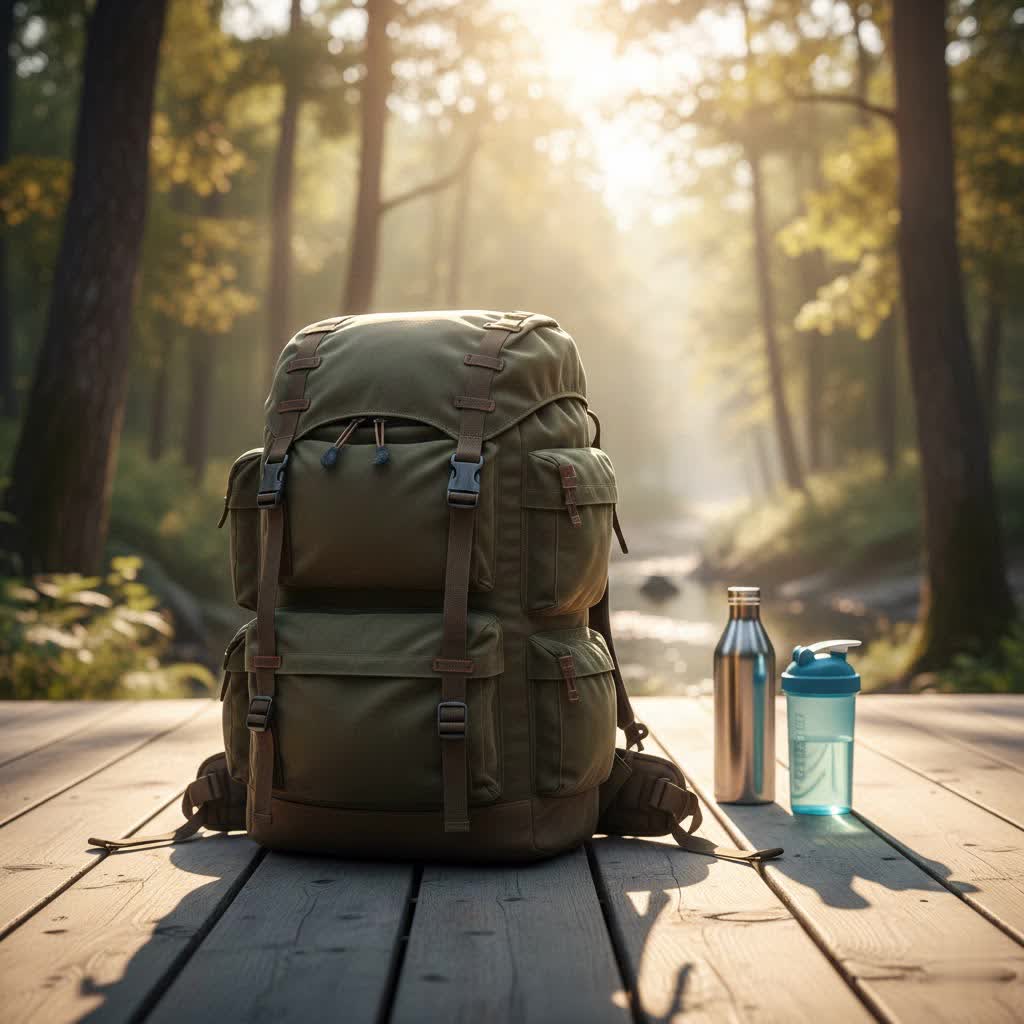
Embarking on an adventure, whether it’s a weekend escape or a year-long globetrotting expedition, necessitates the right gear. Among the most crucial choices you’ll make is selecting the perfect travel backpack. More than just a container for your belongings, a well-chosen travel rucksack backpack becomes an extension of yourself, an indispensable partner that offers comfort, organization, and durability. But with countless options on the market, how do you distinguish between a simple bag and your ideal travel companion? This comprehensive guide will navigate you through the world of travel backpacks, ensuring you find one that perfectly matches your travel style and needs.
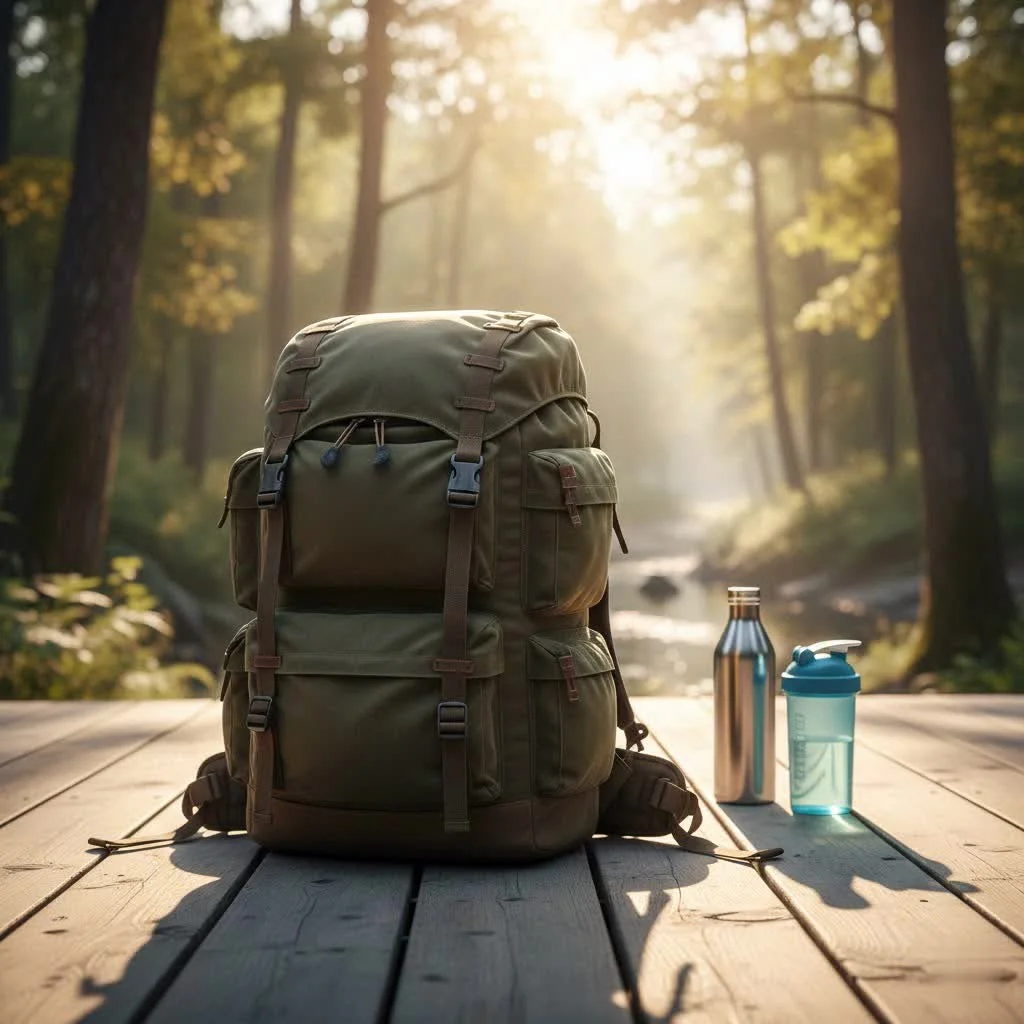
The Travel Backpack: Your Ultimate Companion for Every Journey
A travel backpack, often interchangeably referred to as a travel rucksack, is specifically designed to meet the dynamic demands of exploring new destinations. Unlike traditional hiking rucksacks primarily focused on load distribution for challenging terrains or standard backpacks for daily commutes, travel backpacks merge the best of both worlds. They offer the portability and hands-free convenience of a backpack with organizational features akin to luggage, making them ideal for everything from urban exploration to multi-country adventures.
While the terms “backpack” and “rucksack” can sometimes be used distinctly – with rucksacks historically referring to more rugged, often top-loading packs for outdoor or military use, and backpacks being more streamlined for everyday activities – modern travel backpacks typically embody a hybrid design. They prioritize easy access, comfort for prolonged wear, and robust construction to withstand the rigors of travel. This blend ensures travelers can navigate crowded airports, uneven cobblestone streets, and remote trails with equal ease.
Essential Criteria for Choosing Your Perfect Travel Backpack
Selecting a travel backpack isn’t a one-size-fits-all decision. Your ideal pack will depend heavily on your travel style, duration, and personal preferences. Considering key criteria will help you narrow down the vast selection.
Capacity (Literage)
The capacity of your travel backpack, measured in liters (L), is perhaps the most critical factor. It dictates how much you can carry and often influences whether your bag qualifies as a carry-on.
- 10-25 Liters: Perfect for day trips, short city excursions, or as a secondary personal item. These are lightweight and minimalist.
- 30-50 Liters: The sweet spot for weekend getaways, short business trips, or efficient one-bag travel for longer durations, often meeting airline carry-on size restrictions (around 45L).
- 50-70 Liters: Suited for multi-day trekking, extended backpacking trips, or journeys requiring more gear. These typically need to be checked.
- 70+ Liters: Reserved for long expeditions, winter trips with bulky clothing, or specialized gear-intensive adventures. Almost always requires checking.
To estimate your needs, consider the length of your trip, the climate, and the amount of specialized gear you’ll require. Many seasoned travelers advocate for the smallest pack you can comfortably manage to avoid overpacking and unnecessary bulk.
Material and Durability
|
Our Picks for the Best Travel Backpack in 2026
As an Amazon Associate I earn from qualifying purchases.
|
||
| Num | Product | Action |
|---|---|---|
| 1 | Taygeer Travel Backpack for Women, Carry On Backpack with USB Charging Port & Shoe Pouch, TSA 15.6inch Laptop Mochila Flight Approved, Nurse Bag Casual Daypack for Weekender Business Hiking, Pink |

|
| 2 | Taygeer Carry On Backpack, Womens Travel Backpack with USB Charging Port & Shoe Pouch, Laptop Mochila 15.6inch Flight Approved, College Teacher Tote Bag for Business Travel Supplies, Grey |
|
| 3 | Taygeer Carry On Backpack, 35l Travel Backpack for Women Airline Approved, Cute Underseat Personal Item Travel Bag With Shoe Compartment, Casual Daypack Gifts for Friend Hiking Outdoor Weekend,Blue |
|
| 4 | coowoz Travel Backpack For Women Men,Carry On Backpack,Hiking Backpack Waterproof Outdoor Sports Rucksack Casual Daypack Travel Essentials(Black) 25L |
|
| 5 | coowoz Travel Backpack For Women Men,Carry On Backpack,Hiking Backpack Waterproof Outdoor Sports Rucksack Casual Daypack Travel Essentials(Blue) |
|
| 6 | coowoz Travel Backpack For Women Men,Carry On Backpack,Hiking Backpack Waterproof Outdoor Sports Rucksack Casual Daypack Travel Essentials(Olive Green) |
|
| 7 | Taygeer Travel Backpack for Women, Carry On Backpack with USB Charging Port & Shoe Pouch, TSA 15.6" Laptop Back Pack Flight Approved, College Gym Bag Casual Daypack for Weekender Business Hiking,Beige |
|
| 8 | coowoz Travel Backpack For Women Men,Carry On Backpack,Hiking Backpack Outdoor Sports Rucksack Casual Daypack travel essentials(Beige Brown) |
|
| 9 | Taygeer Laptop Backpack Purse for Women, Backpack for College Essentials with 15.6inch Laptop Compartment, Travel Bag Airline Approved CarryOn Work Bag for Nursing Doctor Business Travel, Brown |
|
| 10 | Taygeer Travel Laptop Backpack for Men Women, Airplane Approved Travel Backpack Suitcase with Usb Charging Port, Lightweight College 35l Luggage Bag 15.6inch Laptop Mochila Gifts for Business,Black |
|
A travel backpack endures significant wear and tear, from being tossed onto baggage carousels to scraping against bus floors. Therefore, the material and overall durability are paramount.
Common materials include:
- Nylon: A popular choice for its excellent strength-to-weight ratio.
- Ripstop Nylon: Woven with a special reinforcing technique that makes it resistant to tearing and ripping.
- Ballistic Nylon: A heavy-duty, tightly woven nylon known for extreme abrasion resistance, often used in high-wear areas.
- Polyester: Generally more affordable and resistant to UV degradation than nylon, but often less durable against abrasion.
- Canvas: Offers a classic, rugged look and can be very durable, especially if waxed for water resistance.
Look for a high “denier” count (e.g., 600D, 1000D), which indicates the thickness of the fabric fibers; a higher number generally means a more robust material. Water resistance is also key; while fully waterproof isn’t always necessary, a pack with a DWR (Durable Water Repellent) coating or TPU (Thermoplastic Polyurethane) lamination will protect your belongings from light rain. Many quality travel backpacks also come with integrated or optional rain covers for heavy downpours. Furthermore, heavy-duty zippers, like those from YKK, are a sign of quality and longevity.
Design and Functional Features
The layout and features of your travel backpack significantly impact its usability and convenience.
- Loading Style:
- Front-Loading/Clamshell: These open like a suitcase, providing easy, full access to the main compartment. This is highly preferred for travel as it eliminates the need to dig for items at the bottom.
- Top-Loading: More traditional for hiking rucksacks, these open only from the top. While secure, they can make accessing items challenging.
- Compartments and Organization: Multiple compartments, including a padded laptop sleeve, internal mesh dividers, quick-access pockets for essentials (passport, wallet, phone), and even a separate shoe compartment, can keep your gear tidy and accessible. Hidden security pockets are also a valuable addition.
- Ventilation: A well-ventilated back panel, often featuring mesh or “trampoline-style” suspension, can prevent uncomfortable sweat buildup, especially in warm climates.
- Compression Straps: Internal and external compression straps help stabilize your load, reduce the pack’s bulk, and secure items.
- Lockable Zippers: Essential for security, look for zippers that can be secured with a padlock, particularly on main compartments.
- Strap Covers: For checked bags, a zip-away panel that covers shoulder and hip straps prevents them from getting snagged or damaged on conveyor belts.
Comfort and Fit
Even the most feature-rich travel backpack is useless if it’s uncomfortable. Proper fit is crucial for weight distribution and preventing strain.
- Torso Length: Backpacks are sized by torso length, not your height. Measure from your C7 vertebra (the bony protrusion at the base of your neck) down to your iliac crest (the top of your hip bones) to find your approximate torso length.
- Adjustable Harness System: Look for adjustable shoulder straps, a padded hip belt, and a sternum strap. The hip belt should bear most of the weight, not your shoulders. Adjustability allows you to fine-tune the fit to your body.
- Padded Back Panel and Straps: Ample, breathable padding on the back panel and shoulder straps significantly enhances comfort, especially during long periods of wear.
- Women’s Specific Designs: Many brands offer packs tailored to the female anatomy, featuring contoured shoulder straps and hip belts designed for a more comfortable and ergonomic fit.
“A comfortable backpack isn’t just a luxury; it’s a necessity that can make or break your travel experience. Always prioritize fit over features.” – Dr. Eleanor Vance, Ergonomics Specialist and Avid Traveler
Top Travel Backpack Brands and Models: A Comparative Look
The market is rich with excellent travel backpack options. Here’s a comparative overview of some leading brands and their notable models, highlighting what makes them stand out.
Comparative Table
| Brand | Key Model(s) | Capacity Range (L) | Standout Feature(s) | Target Traveler | Price Range |
|---|---|---|---|---|---|
| Osprey | Farpoint/Fairview 40/55 | 40-70 | Exceptional comfort, interchangeable sizing, durable. | Backpackers, long-term travelers, carry-on focused | Mid-High |
| Aer | Travel Pack 3 | 28-35 | Sleek urban design, robust ballistic nylon, great organization. | Digital nomads, business travelers, minimalist aesthetes | Mid-High |
| Tom Bihn | Techonaut 30/45, Synik | 22-45 | Premium quality, versatile carry options, modularity. | Discerning travelers, tech-heavy users | High |
| Cotopaxi | Allpa 35L | 28-42 | Unique aesthetic, excellent internal organization. | Adventurous, organized, style-conscious | Mid |
| GORUCK | GR2 | 26-40 | Extreme durability, tactical aesthetic, lifetime warranty. | Rugged adventurers, minimalist packers, military-inspired | High |
| Peak Design | Travel Backpack 30L/45L | 30-45 (expandable) | Photo-focused organization, sleek design, quick access. | Photographers, design enthusiasts, organized packers | High |
| Tortuga | Travel Backpack Pro 40L | 40 | Carry-on optimized, comfortable harness, easy packing. | One-bag travelers, frequent flyers, organized | Mid |
| Deuter | Various Series | 20-80+ | Excellent suspension systems, ventilation, quality. | Hikers, trekkers, outdoor adventurers | Mid-High |
| Thule | Subterra, Capstone | 23-70 | Sleek, durable, integrated features like laptop sleeves. | Urban explorers, organized travelers | Mid-High |
This table provides a snapshot, but each brand offers a range of models with varying features, capacities, and price points. Researching specific models within these brands based on your prioritized criteria will yield the best results.
Where to Purchase Your Travel Backpack
Once you have a clear idea of what you need, the next step is finding the right place to buy your travel backpack. Both online and physical retailers offer distinct advantages.
Online Retailers
Online shopping provides unparalleled convenience and a vast selection. You can browse countless models, compare prices from different vendors, and read extensive user reviews, which are invaluable for real-world insights into a pack’s performance and durability. Major online platforms like Amazon, REI (for outdoor gear), as well as direct brand websites (e.g., Osprey, Aer, Tom Bihn, Cotopaxi, GORUCK, Tortuga, Peak Design) offer a wide range. When buying online, pay close attention to return policies, shipping costs, and whether the retailer is authorized. Customer reviews often highlight specific pros and cons not immediately apparent in product descriptions.
Physical Stores
Visiting a physical store allows you to try on different travel backpacks, which is crucial for assessing comfort and fit. An empty pack feels much different than a loaded one, so ask staff to add weight (like sandbags or tents) to simulate a full load. This enables you to adjust the straps, test the hip belt, and feel how the weight distributes across your body. Specialized outdoor gear stores often have knowledgeable staff who can help measure your torso length and guide you through various options. This hands-on experience is particularly beneficial for first-time buyers or those with specific fit requirements.
Maximizing Your Travel Backpack Experience: Usage and Care Tips
A great travel backpack is an investment, and proper usage and care will ensure it serves you well for years to come.
Smart Packing Strategies
Efficient packing is an art that maximizes space and maintains comfort.
- Weight Distribution: Pack heavier items closer to your back and slightly above your hips. This keeps the center of gravity optimal and prevents strain. Lighter, bulkier items can fill the top and outer pockets.
- Use Packing Cubes: These organizational wonders compress clothing, keep items neat, and make it easy to find what you need without rummaging through your entire bag.
- Roll or Fold Strategically: Rolling clothes can save space and reduce wrinkles. Utilize empty spaces within shoes or other gear.
- Easy Access for Essentials: Keep frequently used items (passport, wallet, snacks, water bottle, phone) in quick-access pockets.
- Protect Valuables: Place electronics and fragile items deep inside the main compartment, cushioned by clothing. Use lockable zippers for added security.
Cleaning and Maintenance
Regular care prolongs the life of your travel backpack.
- General Cleaning: After each trip, empty your backpack completely. Shake out dirt and debris. Use a damp cloth with mild soap to spot clean any stains. For a more thorough wash, check the manufacturer’s instructions; some packs can be hand-washed in a tub with lukewarm water and mild detergent. Avoid harsh chemicals or machine washing, which can damage coatings and materials.
- Drying: Always air dry your backpack completely, preferably in the shade, to prevent mildew and material degradation. Ensure all compartments are open.
- Zipper Care: Periodically clean zippers and apply a silicone-based lubricant to keep them running smoothly and prevent corrosion.
- Storage: Store your clean, dry backpack in a cool, dry place away from direct sunlight when not in use. Avoid compressing it excessively for long periods to maintain its shape and padding integrity.
Buying Guide: Choosing the Right Travel Backpack for Your Adventures
Making the final decision requires a synthesis of your research and personal preferences. Follow these steps for a smart choice:
Defining Your Travel Style & Needs
Start by honestly assessing your typical travel habits. Are you a minimalist one-bag traveler or do you prefer to pack for every eventuality? Will you be mostly navigating cities, or are rugged trails your preferred path? Will you always carry on, or are you comfortable checking your bag? Your answers will guide your capacity and feature requirements. A 40L carry-on compliant pack might be perfect for an urban explorer, while a 65L rugged rucksack is better for a trekking enthusiast.
Setting Your Budget
Travel backpacks range widely in price, from budget-friendly options to high-end specialist gear. Determine what you’re willing to spend, but consider it an investment. A higher-priced pack often means better materials, superior comfort systems, and greater durability, which can save you money in the long run by avoiding replacements. Look for sales and promotions, but don’t compromise essential features for a lower price.
Leveraging Reviews and Expert Advice
User reviews from reputable travel blogs, outdoor gear sites, and expert testers offer invaluable insights. They often detail real-world performance, comfort over extended use, and potential quirks. Pay attention to reviews from travelers with similar body types and travel styles to yours. Combine this with advice from staff at specialty stores for a well-rounded perspective.
Choosing the right travel backpack is a deeply personal journey, much like the adventures it will accompany you on. Take your time, consider your options, and prioritize comfort, durability, and functionality.
Frequently Asked Questions
What is the ideal size for a carry-on travel backpack?
Most airlines enforce carry-on limits around 22 x 14 x 9 inches, which typically translates to a maximum capacity of 40-45 liters. Always check with your specific airline, but a well-designed 40L travel backpack is generally considered ideal for carry-on compliance and efficient one-bag travel.
Are rucksacks and travel backpacks the same thing?
While the terms are often used interchangeably, especially in the context of travel, “rucksack” traditionally referred to a more rugged, often top-loading pack for outdoor or military use. A “travel backpack” is a more modern term for a hybrid bag designed specifically for travelers, often featuring front-loading access and better organization, blending the portability of a backpack with the convenience of luggage.
How do I ensure my travel backpack is comfortable?
Comfort hinges primarily on proper fit. Measure your torso length and choose a backpack with an adjustable harness system (shoulder, hip, and sternum straps) that allows you to distribute the weight evenly, with the majority resting on your hips. Look for padded and breathable back panels and shoulder straps.
What materials are best for a durable and water-resistant travel backpack?
Durable materials often include high-denier nylon (like ripstop or ballistic nylon) and robust polyester. For water resistance, look for DWR (Durable Water Repellent) coatings, TPU lamination, or packs that come with an integrated rain cover. Quality zippers, such as YKK, are also indicators of durability.
Should I choose a top-loading or front-loading travel backpack?
For travel, a front-loading (or clamshell-opening) travel backpack is highly recommended. It allows you to open the main compartment like a suitcase, providing full and easy access to all your belongings. Top-loading packs, while common for hiking, require you to dig through items to reach those at the bottom.
How can I make my travel backpack more organized?
Utilizing packing cubes is the most effective way to organize your travel backpack. They compress clothes, separate different categories of items, and make it easy to pull out exactly what you need without disturbing the rest of your pack. Many travel backpacks also come with built-in internal pockets and dividers to aid organization.
Get our weekly buyer guide
Practical specs, not advice. Unsubscribe anytime.
