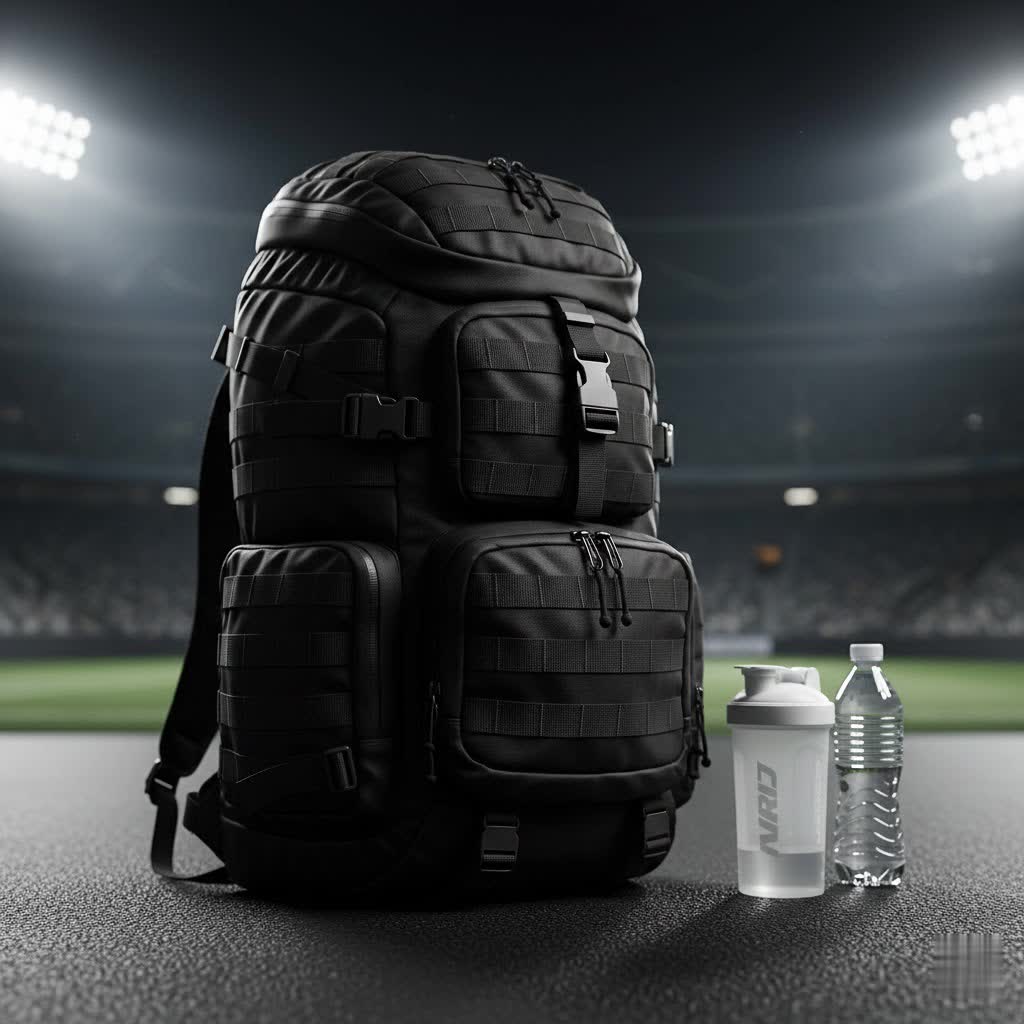
Embarking on a journey, whether for business or pleasure, often starts with the right bag. In the bustling world of travel, where every inch and ounce can matter, the travel personal item backpack has emerged as a game-changer. It’s more than just an accessory; it’s your compact, essential companion designed to fit snugly under the seat in front of you, holding everything you need within easy reach. This guide will help you navigate the myriad options to find the ideal travel personal item backpack that elevates your travel experience from stressful to seamless.
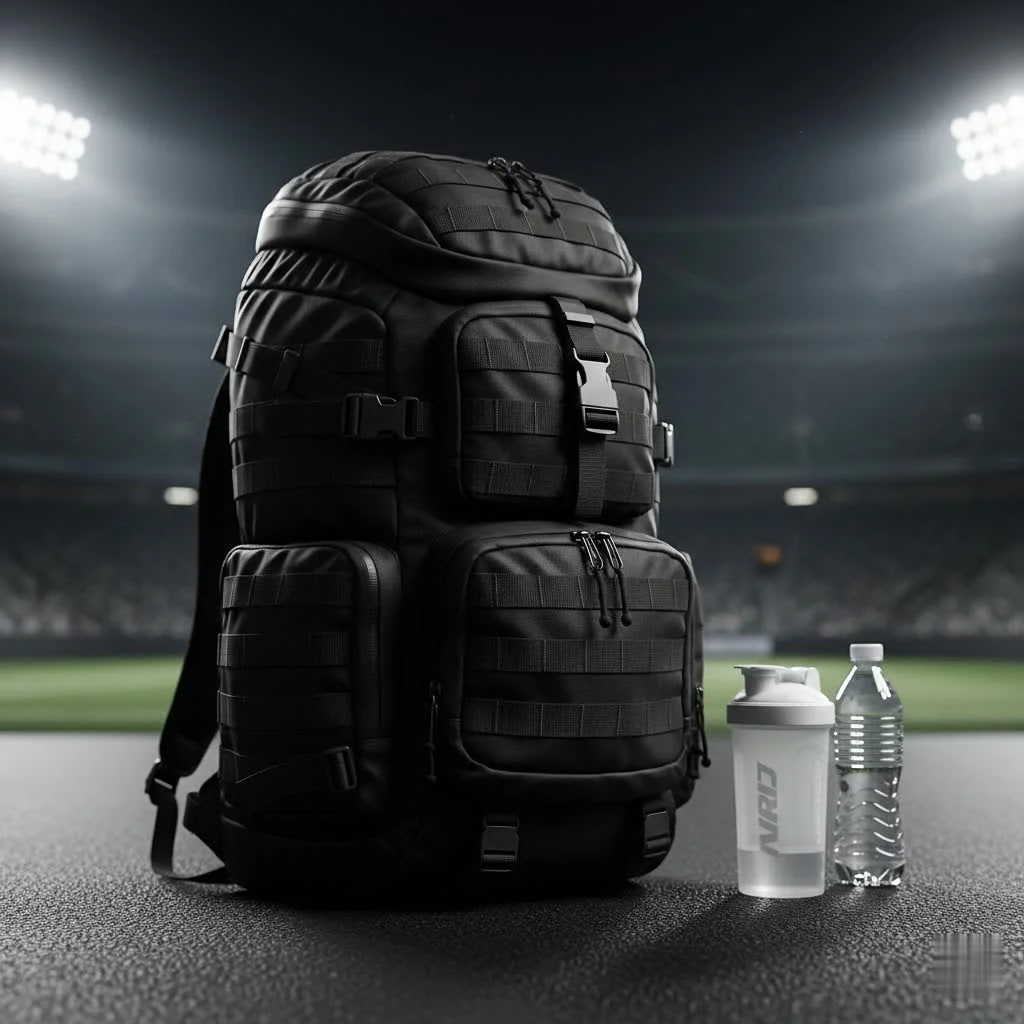
Travel Personal Item Backpack: Overview and Perfect Choice
A travel personal item backpack is specifically designed to comply with airline regulations for items stowed under your seat. Unlike larger carry-on bags that go in overhead bins and often incur extra fees, a personal item is typically included in your fare, saving you both money and time at the airport. These versatile bags prioritize accessibility and efficiency, ensuring your essentials—from passports to entertainment—are always at hand during your flight. For travel backpack buying guides on this site.
The market offers a diverse range of personal item backpacks, varying in style, capacity, and features. They are generally smaller than traditional travel backpacks, with capacities usually ranging from 5 to 30 liters. This category isn’t limited strictly to backpacks; it can also include small tote bags, duffels, and sling bags, provided they meet the airline’s size constraints. The key is their ability to fit within the typically compact under-seat space, transforming how efficiently you travel.
Key Criteria for Choosing a Travel Personal Item Backpack
Selecting the right travel personal item backpack requires careful consideration of several factors. Your ideal bag will be a harmonious blend of practicality, comfort, and personal style, tailored to your unique travel habits.
Capacity: How Much Can You Carry?
The capacity of your personal item backpack dictates how much you can bring onboard. While airline-specific, personal items generally accommodate bags up to about 18 x 14 x 8 inches. The capacity for these dimensions typically falls between 15 and 30 liters, with some flexible designs stretching to 33 liters.
- Under 15 Liters: Ideal for minimalists or short trips where only essentials like a book, tablet, wallet, and a small snack are needed. Examples include compact sling bags.
- 15-25 Liters: Great for day trips, work essentials (laptop, documents), or supplementing a larger carry-on. Many dedicated personal item backpacks fall into this range, offering a balance of space and compactness.
- 25-30+ Liters: Suitable for “one-bag” travelers on short trips, allowing for a few changes of clothes, a laptop, and other necessities. These larger capacities often require careful packing to ensure they remain pliable enough to fit under stricter airline seats.
To estimate your needed capacity, lay out everything you plan to carry. Consider if you’re a minimalist or someone who needs extra gear. For example, a weekender trip might demand more space than a simple business day trip. Always check your chosen airline’s specific dimensions, as exceeding them can lead to unexpected gate fees.
Material: Durability Meets Design
|
Our Picks for the Best Travel Backpack in 2026
As an Amazon Associate I earn from qualifying purchases.
|
||
| Num | Product | Action |
|---|---|---|
| 1 | coowoz Travel Backpack For Women Men,Carry On Backpack,Hiking Backpack Outdoor Sports Rucksack Casual Daypack travel essentials(Beige Brown) |

|
| 2 | coowoz Travel Backpack For Women Men,Carry On Backpack,Hiking Backpack Waterproof Outdoor Sports Rucksack Casual Daypack Travel Essentials(Olive Green) |
|
| 3 | Taygeer Travel Laptop Backpack for Men Women, Airplane Approved Travel Backpack Suitcase with Usb Charging Port, Lightweight College 35l Luggage Bag 15.6inch Laptop Mochila Gifts for Business,Black |
|
| 4 | Taygeer Laptop Backpack Purse for Women, Backpack for College Essentials with 15.6inch Laptop Compartment, Travel Bag Airline Approved CarryOn Work Bag for Nursing Doctor Business Travel, Brown |
|
| 5 | Taygeer Carry On Backpack, 35l Travel Backpack for Women Airline Approved, Cute Underseat Personal Item Travel Bag With Shoe Compartment, Casual Daypack Gifts for Friend Hiking Outdoor Weekend,Blue |
|
| 6 | Taygeer Carry On Backpack, Womens Travel Backpack with USB Charging Port & Shoe Pouch, Laptop Mochila 15.6inch Flight Approved, College Teacher Tote Bag for Business Travel Supplies, Grey |
|
| 7 | Taygeer Travel Backpack for Women, Carry On Backpack with USB Charging Port & Shoe Pouch, TSA 15.6inch Laptop Mochila Flight Approved, Nurse Bag Casual Daypack for Weekender Business Hiking, Pink |
|
| 8 | Taygeer Travel Backpack for Women, Carry On Backpack with USB Charging Port & Shoe Pouch, TSA 15.6" Laptop Back Pack Flight Approved, College Gym Bag Casual Daypack for Weekender Business Hiking,Beige |
|
| 9 | coowoz Travel Backpack For Women Men,Carry On Backpack,Hiking Backpack Waterproof Outdoor Sports Rucksack Casual Daypack Travel Essentials(Black) 25L |
|
| 10 | coowoz Travel Backpack For Women Men,Carry On Backpack,Hiking Backpack Waterproof Outdoor Sports Rucksack Casual Daypack Travel Essentials(Blue) |
|
The material of your travel personal item backpack plays a significant role in its durability, weight, and aesthetic appeal. Common materials include:
- Nylon: Known for its exceptional strength-to-weight ratio and resistance to abrasions and tears. Many high-quality travel backpacks use ripstop nylon for added durability. Weather-resistant nylon options offer excellent protection against the elements, making them suitable for various travel conditions.
- Polyester: A common and affordable material, often blended for added strength. Polyester offers good water resistance, especially when treated, and holds color well. It’s a versatile choice for everyday travel.
- Canvas: Offers a classic, stylish look and can be very durable, especially waxed canvas which provides enhanced water resistance. While potentially heavier than nylon, canvas bags often develop a unique patina over time.
Beyond the main fabric, consider the quality of zippers (YKK are often cited for reliability) and hardware. Durable materials ensure your backpack withstands the rigors of travel, from crowded airports to varied climates.
Design and Features: Smart Solutions for Travelers
A well-designed travel personal item backpack integrates thoughtful features that enhance your journey. These can make a significant difference in accessibility, organization, and overall convenience.
- Organization: Look for multiple compartments, padded laptop sleeves (accommodating up to 16-inch or even 17-inch laptops), quick-access pockets for documents or phones, water bottle pockets, and internal dividers. Some bags offer clamshell openings, similar to a suitcase, making packing and finding items much easier. RFID-blocking pockets provide an added layer of security for sensitive items.
- Accessibility: External pockets for items like chargers, headphones, or snacks are invaluable for in-flight convenience. Designs that allow easy access to your laptop without unpacking the main compartment are a huge plus for airport security.
- Versatility: Some backpacks feature convertible designs, allowing them to be carried as a tote or even a brief case. Trolley sleeves that slide over a rolling luggage handle are excellent for multi-bag travelers.
- Aesthetics: Your personal item backpack should align with your style. Whether you prefer a sleek, minimalist look or vibrant colors, many options combine function with appealing design.
The best features ultimately cater to how you travel and what you carry most often. Prioritize what truly matters for your typical trips.
Comfort: Carrying Your Load with Ease
Comfort is paramount, especially when navigating busy airports or walking long distances. A comfortable travel personal item backpack minimizes strain and enhances your mobility.
- Harness System: Padded shoulder straps are essential. Look for adjustable straps that allow you to customize the fit, distributing weight evenly across your back and shoulders. Sternum straps and, less commonly on personal items, hip belts can further enhance stability and comfort, especially for heavier loads.
- Back Panel: A breathable, padded back panel is crucial to prevent discomfort and sweating. Mesh materials can improve airflow, keeping you cooler.
- Fit for Body Size: Consider your torso length and build. Some bags might feel too long or bulky on smaller frames, while others might feel cramped on taller individuals. If possible, try on a loaded backpack to assess its feel before purchasing.
“A comfortable personal item backpack can be the unsung hero of your travel day. It’s not just about fitting your stuff; it’s about making sure you can carry it effortlessly from curb to cabin.” – Jane Doe, Travel Gear Reviewer at JourneySmart
Comparing Popular Travel Personal Item Backpack Brands
The market for travel personal item backpacks is competitive, with many brands offering compelling options. Here’s a look at some notable brands and models often praised by travelers.
Comparison Table: Top Travel Personal Item Backpacks
| Brand/Model | Capacity (L) | Dimensions (inches, HxWxD) | Weight (lbs) | Key Features | Pros | Cons | Price Range |
|---|---|---|---|---|---|---|---|
| Aer City Pack Pro 2 | 24 | 18 x 12.5 x 7 | 2.86 | Numerous pockets, clamshell opening, padded 16″ laptop sleeve | Highly organized, durable materials, comfortable harness | Heavy, potentially too large for strict budget airlines | $$$ (High) |
| CabinZero Military 28L | 28 | 16.9 x 11.8 x 5.9 | 1.81 | Simple main compartment, 16″ laptop sleeve, YKK zippers, Duraflex hardware | Great value, fits most airlines, durable nylon, lightweight | Minimal internal organization, can be uncomfortable when overstuffed | $ (Budget) |
| EVERGOODS CTB26 | 26 | 19 x 8 x 12 | 3.37 | Ergonomic harness, numerous pockets, 17″ laptop access from side | Excellent build quality, comfortable, sleek design, thoughtful organization | Heavy, might be flagged on very strict budget airlines | $$$ (High) |
| Cotopaxi Allpa 28L | 28 | 19 x 12 x 9 | 2.5 | Suitcase-like organization, flexible materials, external attachment loops | Versatile for different trips, comfortable, fits most airlines | Organization might limit large items, can be long on shorter torsos | $$ (Mid-High) |
| Fjallraven Kanken Laptop | 13 | 13.8 x 9.8 x 6.3 | 0.76 | Dedicated laptop compartment, water-resistant, tuck-flat straps | Fits strictest airlines (e.g., Ryanair), very lightweight, stylish | Small capacity, side pockets too small for water bottles, less padding | $$ (Mid) |
| Solo Re:Define Backpack | 22 | 18 x 13 x 7 | 1.4 | Laptop/tablet sleeves, external USB port, multiple pockets | Spacious for its size, good organization, budget-friendly | Can feel heavy by top handle, straps can chafe on some | $ (Budget) |
| Beis Mini Weekender | 33 | 16 x 16 x 8 | 3.4 | Separate shoe compartment, wide opening, key leash, many pockets | Very roomy, stylish, effective organization for clothes and shoes | Laptop pocket lacks sufficient padding, can be heavy | $$ (Mid) |
Price Range Key: $ (Under $75), $$ ($75 – $200), $$$ (Over $200)
This table highlights popular choices, but remember that the “best” backpack is highly personal. Consider your specific needs, budget, and airline preferences when making your decision.
Where to Buy a Travel Personal Item Backpack?
Finding the perfect travel personal item backpack involves exploring various retail channels, each offering distinct advantages.
Online Shopping Channels
Online retailers provide an expansive selection, competitive pricing, and the convenience of shopping from home.
- Large e-commerce platforms: Websites like Amazon, Zappos, and REI offer a vast array of brands and models, often with user reviews and detailed product specifications.
- Brand-specific websites: Many top brands, such as Aer, Cotopaxi, and Tom Bihn, sell directly through their own websites, often providing exclusive colors, models, or detailed product information.
- Specialty travel gear sites: Websites like Pack Hacker and Travel + Leisure, while review-focused, often link directly to reputable retailers, ensuring you’re purchasing authentic products.
When buying online, pay close attention to product dimensions, customer reviews regarding airline compliance, and return policies. Always measure your packed bag at home to ensure it still meets airline requirements, as a full bag can sometimes bulge beyond its stated dimensions.
Retail Stores
Visiting physical stores allows you to experience the backpack firsthand, which can be crucial for assessing comfort and fit.
- Specialized luggage and travel stores: These stores often have knowledgeable staff who can offer expert advice and help you compare different models. You can try on backpacks with weights to simulate a packed bag.
- Outdoor and sporting goods stores: Retailers like REI often stock a good selection of travel-friendly backpacks, and their staff are usually well-versed in bag features and fit.
The advantage of in-store shopping is the ability to physically inspect the bag’s quality, test zippers, and assess the comfort of straps and back panels. You can also compare sizes directly against airline sizing templates if available, which provides peace of mind.
Guide to Using and Maintaining Your Travel Personal Item Backpack
Maximizing the utility and lifespan of your travel personal item backpack goes beyond just buying it; it involves smart packing and proper care.
How to Arrange Your Belongings Efficiently
Effective packing is an art, especially with a personal item’s limited space. The goal is to maximize capacity while keeping essentials accessible.
- Roll or Fold Smart: Rolling clothes tightly can save space and reduce wrinkles. Use packing cubes to compress items and keep categories organized.
- Utilize Internal Pockets: Dedicate specific pockets for smaller items like chargers, pens, medications, and toiletries. A separate, padded laptop sleeve ensures your tech is protected and easily retrievable at security.
- Layer Strategically: Place heavier items at the bottom and against the back panel for better weight distribution and comfort. Items you’ll need during the flight (e.g., headphones, snacks, entertainment) should be in easily accessible top or front pockets.
- Protect Fragile Items: Pad delicate items with soft clothing. Some backpacks offer specific protective compartments, but for others, extra care is needed.
- Don’t Overstuff: While tempting, overstuffing can stress zippers, distort the bag’s shape, and cause it to exceed personal item dimensions, potentially leading to gate fees. A bag that retains some flexibility is easier to fit under a seat.
Cleaning and Storage
Proper maintenance ensures your backpack remains in top condition for countless adventures.
- Spot Cleaning: For minor dirt or stains, use a damp cloth with mild soap. Avoid harsh chemicals that could damage the fabric or color.
- Deep Cleaning: If a more thorough cleaning is needed, hand wash with lukewarm water and mild detergent. Avoid machine washing, which can damage the bag’s structure and specialized coatings. Air dry completely, away from direct sunlight, to prevent mildew and material degradation.
- Zipper Care: Periodically clean zippers and lubricate them with a zipper lubricant to ensure smooth operation and prevent sticking.
- Storage: When not in use, store your backpack in a cool, dry place away from direct sunlight. Ensure it’s empty and completely dry to prevent mildew. Stuffing it lightly with crumpled paper can help maintain its shape.
Buying Guide: Travel Personal Item Backpack – Smart Choices for Every Journey
Making an informed decision about your travel personal item backpack involves a thoughtful process that aligns with your travel aspirations and practical needs.
Identify Your Needs
Before you even begin browsing, ask yourself some crucial questions:
- What type of travel do you do most often? Are you a frequent flyer on budget airlines needing the absolute smallest bag, or do you fly more established carriers with slightly more lenient rules? Do you travel for quick weekend getaways, or do you use your personal item for extended international trips alongside a larger checked bag?
- What do you typically carry? Do you need space for a large laptop and tech accessories, a change of clothes, or just entertainment and toiletries? Your packing list should drive your capacity requirements.
- What is your preferred carrying style? Do you want a hands-free backpack, or are you comfortable with a tote or duffel? Consider if a trolley sleeve for rolling luggage is a must-have.
Clearly defining your needs will narrow down your options significantly.
Set Your Budget
Travel personal item backpacks range widely in price, from budget-friendly options under $50 to premium bags exceeding $200.
- Entry-Level: Offers basic functionality and durability, often from less-known brands.
- Mid-Range: Provides a good balance of quality, features, and durability from reputable brands.
- High-End/Luxury: Features premium materials, advanced ergonomic designs, specialized organization, and often brand prestige.
Determine how much you are willing to invest. Remember that a higher price often correlates with better materials, construction, and specialized features, potentially leading to greater longevity and comfort. Look for sales and promotions, but prioritize quality over a low price if durability and functionality are important to you.
Read Reviews and Recommendations
Leverage the experience of other travelers.
- User Reviews: Check customer reviews on retail sites for insights into real-world performance, comfort, and airline compliance. Pay attention to comments about durability, zipper quality, and how the bag feels when fully packed.
- Expert Reviews: Consult travel gear blogs and review sites for in-depth analyses and comparisons from experienced travelers. These often highlight the pros and cons, specific features, and ideal use cases for various backpacks.
- Consider What Matters to You: While general consensus is helpful, focus on reviews that address your specific priorities, such as laptop protection, water resistance, or organizational needs.
By taking these steps, you can confidently choose a travel personal item backpack that not only meets airline requirements but also enhances every aspect of your journey.
Conclusion
The right travel personal item backpack is a powerful tool for any explorer, transforming your travel experience by keeping essentials secure, organized, and always within reach. From understanding airline dimensions to prioritizing comfort and smart organization, the choices you make shape your journey. With so many innovative designs and durable materials available, there’s a perfect companion waiting for every traveler. Ready to ditch the baggage fees and embrace seamless travel?
Frequently Asked Questions
What are the typical dimensions for a personal item backpack on major airlines?
Most major airlines generally allow personal items up to 18 x 14 x 8 inches (45 x 35 x 20 cm) or smaller, designed to fit under the seat in front of you. However, dimensions can vary significantly between carriers, with some budget airlines having stricter limits, so always check with your specific airline before flying.
Can I bring a laptop in my personal item backpack?
Yes, most travel personal item backpacks are designed with a dedicated, often padded, sleeve to safely carry laptops. The size of the laptop it can accommodate typically ranges from 13-inch to 17-inch, depending on the backpack model and its overall dimensions.
What is the maximum capacity (in liters) for a personal item backpack?
While there isn’t a strict universal maximum, personal item backpacks typically range from 15 to 30 liters in capacity. Larger bags in the 28-33 liter range can sometimes qualify, but their flexibility and how they are packed are crucial to ensure they fit under an airplane seat without bulging.
Is a personal item backpack worth it compared to a carry-on?
A personal item backpack is often included for free, saving money on baggage fees typically charged for carry-ons, especially on budget airlines. It also allows for quicker deplaning and ensures your most important items are always accessible, making it a highly convenient option for many travelers.
How can I ensure my personal item backpack fits under the seat?
Always check your airline’s specific dimensions before packing. When packing, avoid overstuffing, as a bulging bag can exceed limits even if its stated dimensions comply. Opt for soft-sided or flexible backpacks that can be compressed, and if possible, try it in a sizing bin at home or the airport.
What materials are best for a durable travel personal item backpack?
Durable and weather-resistant materials like high-denier nylon (e.g., 1000D nylon) or treated polyester are excellent choices for travel personal item backpacks. Look for quality hardware such as YKK zippers and Duraflex buckles for enhanced longevity and reliability.
Get our weekly buyer guide
Practical specs, not advice. Unsubscribe anytime.
