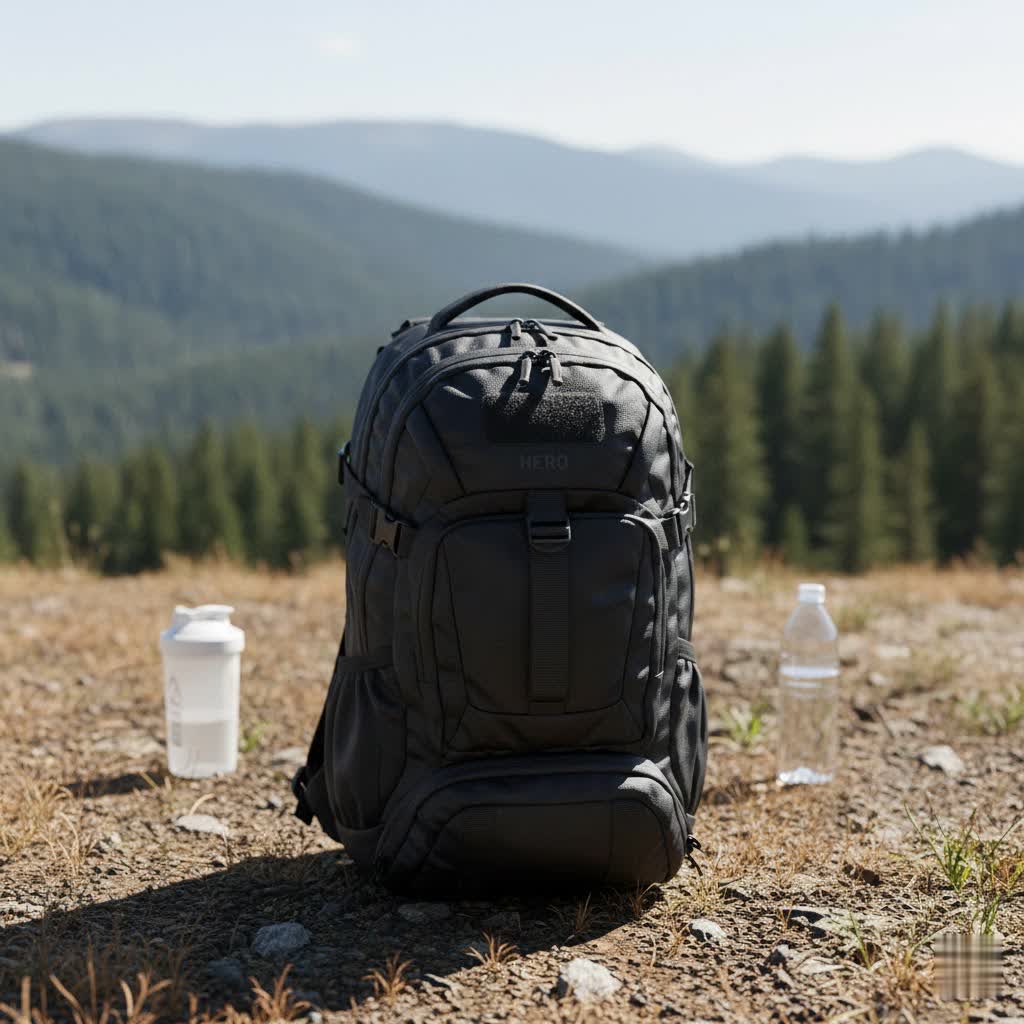
Have you ever found yourself dragging a cumbersome, oversized backpack through an airport, regretting every extra ounce? The modern traveler understands that less is often more, especially when it comes to luggage. A lightweight travel backpack isn’t just a trend; it’s a game-changer, offering unparalleled freedom and agility whether you’re navigating bustling city streets or trekking through remote landscapes. This comprehensive guide will equip you with everything you need to know to choose the perfect lightweight companion for your next adventure, ensuring your travels are comfortable, efficient, and truly liberating.
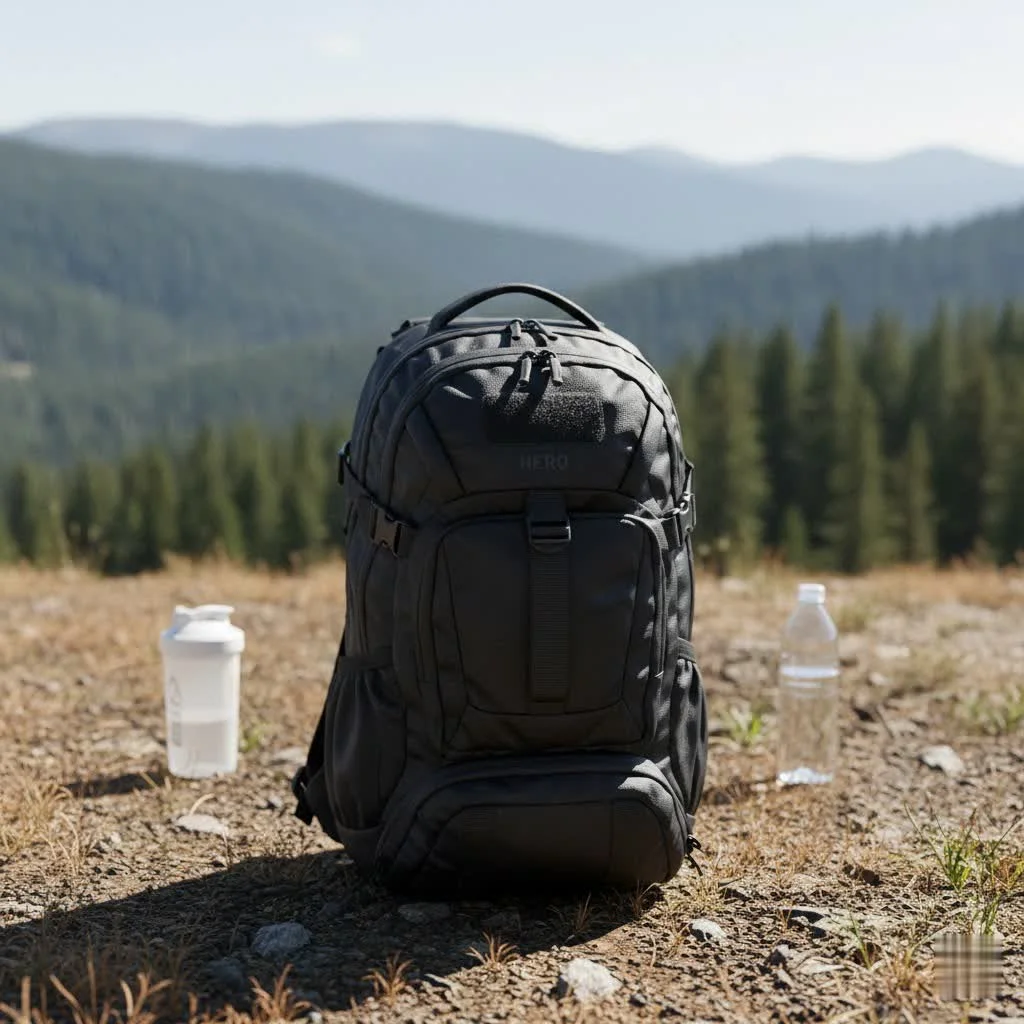
Lightweight Travel Backpacks: An Overview and Perfect Selection
A lightweight travel backpack is specifically designed to minimize overall weight while maximizing functionality and durability, making it an indispensable asset for any journey. Unlike traditional heavy-duty hiking packs or bulky suitcases, these backpacks prioritize smart materials and streamlined designs to reduce the burden on your back and shoulders. Their significance in travel cannot be overstated, particularly with increasing airline baggage fees and the desire for more agile, spontaneous exploration.
The market offers a diverse range of lightweight travel backpacks, each catering to different travel styles and preferences. Common types include:
- Ultralight Backpacks: Often designed for minimalist travelers or long-distance trekkers, these prioritize the absolute lowest weight, sometimes at the expense of extensive padding or features. They’re perfect for those who meticulously cut down on every gram.
- Carry-on Specific Backpacks: These are engineered to meet strict airline carry-on dimensions, allowing travelers to bypass checked baggage fees and wait times. They often feature thoughtful organization for electronics and quick access items.
- Convertible Backpacks: Offering versatility, these can often be transformed into duffels or shoulder bags, sometimes featuring stowable straps for a cleaner profile. They blend the benefits of a backpack with the convenience of other luggage types.
- Everyday Travel Packs: While still lightweight, these are more robust than ultralight options, balancing weight with comfort, features, and durability for a wider range of trips, from weekend getaways to longer international excursions.
Important Criteria When Choosing a Lightweight Travel Backpack
Selecting the ideal lightweight travel backpack involves careful consideration of several key factors that directly impact your comfort, convenience, and the success of your trip. Ignoring these can lead to discomfort or inconvenience down the line.
Capacity
The capacity of your lightweight travel backpack, measured in liters (L), is perhaps the most crucial decision. It dictates how much you can carry and should align directly with the length and nature of your trip.
- 20-30L: Ideal for day trips, minimalist overnight stays, or as a secondary personal item. Perfect for urban explorers carrying essentials like a jacket, water bottle, and a small camera.
- 30-40L: The sweet spot for most carry-on travel, especially for weekend trips or week-long minimalist adventures. Many airlines allow bags in this range as carry-on, making it a popular choice for avoiding checked baggage.
- 40-50L: Suitable for longer trips (1-2 weeks or more) where you still want to travel light but need a bit more space for varied clothing or specific gear. These can sometimes still fit as carry-on, but it’s essential to check airline restrictions carefully.
- 50L+: Generally moving beyond true “lightweight” and carry-on territory for travel, these are often for longer backpacking trips or adventure travel where more specialized gear is required.
To estimate your required capacity, consider all items you plan to bring and lay them out. Think about how much space each takes up. A good rule of thumb for lightweight travel is to pack only what you truly need, not what you might need.
Material
|
Our Picks for the Best Travel Backpack in 2026
As an Amazon Associate I earn from qualifying purchases.
|
||
| Num | Product | Action |
|---|---|---|
| 1 | Taygeer Travel Backpack for Women, Carry On Backpack with USB Charging Port & Shoe Pouch, TSA 15.6" Laptop Back Pack Flight Approved, College Gym Bag Casual Daypack for Weekender Business Hiking,Beige |

|
| 2 | coowoz Travel Backpack For Women Men,Carry On Backpack,Hiking Backpack Waterproof Outdoor Sports Rucksack Casual Daypack Travel Essentials(Blue) |
|
| 3 | Taygeer Laptop Backpack Purse for Women, Backpack for College Essentials with 15.6inch Laptop Compartment, Travel Bag Airline Approved CarryOn Work Bag for Nursing Doctor Business Travel, Brown |
|
| 4 | Taygeer Carry On Backpack, Womens Travel Backpack with USB Charging Port & Shoe Pouch, Laptop Mochila 15.6inch Flight Approved, College Teacher Tote Bag for Business Travel Supplies, Grey |
|
| 5 | coowoz Travel Backpack For Women Men,Carry On Backpack,Hiking Backpack Waterproof Outdoor Sports Rucksack Casual Daypack Travel Essentials(Olive Green) |
|
| 6 | Taygeer Travel Laptop Backpack for Men Women, Airplane Approved Travel Backpack Suitcase with Usb Charging Port, Lightweight College 35l Luggage Bag 15.6inch Laptop Mochila Gifts for Business,Black |
|
| 7 | coowoz Travel Backpack For Women Men,Carry On Backpack,Hiking Backpack Outdoor Sports Rucksack Casual Daypack travel essentials(Beige Brown) |
|
| 8 | Taygeer Travel Backpack for Women, Carry On Backpack with USB Charging Port & Shoe Pouch, TSA 15.6inch Laptop Mochila Flight Approved, Nurse Bag Casual Daypack for Weekender Business Hiking, Pink |
|
| 9 | coowoz Travel Backpack For Women Men,Carry On Backpack,Hiking Backpack Waterproof Outdoor Sports Rucksack Casual Daypack Travel Essentials(Black) 25L |
|
| 10 | Taygeer Carry On Backpack, 35l Travel Backpack for Women Airline Approved, Cute Underseat Personal Item Travel Bag With Shoe Compartment, Casual Daypack Gifts for Friend Hiking Outdoor Weekend,Blue |
|
The material of your lightweight travel backpack significantly impacts its weight, durability, and weather resistance. Understanding the pros and cons of common fabrics is essential.
- Nylon (e.g., Ripstop Nylon, Cordura):
- Pros: Extremely durable, good tear resistance (especially ripstop), relatively lightweight, often water-resistant with coatings. Cordura offers exceptional abrasion resistance.
- Cons: Can be more expensive; not fully waterproof without a specific coating or rain cover.
- Polyester:
- Pros: Affordable, good abrasion resistance, colorfast (resists fading), often water-resistant.
- Cons: Can be heavier than nylon for comparable durability; not as strong as nylon against tears.
- Dyneema Composite Fabric (DCF) / Cuben Fiber:
- Pros: Extremely lightweight, highly waterproof, excellent strength-to-weight ratio.
- Cons: Very expensive, less abrasion-resistant than nylon or polyester, can be stiff and crinkly. Primarily found in specialized ultralight packs.
- Canvas:
- Pros: Very durable, classic aesthetic, can be waxed for water resistance.
- Cons: Much heavier than synthetic options, slower to dry, not inherently waterproof. Less common for true lightweight travel packs.
When assessing materials, look for denier (D) ratings – a higher number generally indicates a thicker, more durable (and often heavier) fabric. For water resistance, look for coatings like PU (polyurethane) or DWR (Durable Water Repellent), but for true downpour protection, a rain cover is often necessary.
Design and Features
A lightweight travel backpack’s design and features can make or break your travel experience. Thoughtful additions can enhance organization, accessibility, and overall utility.
- Compartments and Organization: Look for a main compartment that’s easy to access (clamshell opening is great for packing), along with internal and external pockets for smaller items. A dedicated padded laptop sleeve (usually 13-16 inches) is crucial for digital nomads.
- Ventilation System: Especially important in warm climates or for active travel, a good ventilation system (e.g., mesh back panel, air channels) prevents sweat build-up and keeps you comfortable.
- External Pockets: Side water bottle pockets, quick-access top pockets for essentials like passports or phones, and front organizational pockets can significantly improve convenience.
- Compression Straps: These are vital for cinching down your pack, reducing its volume, stabilizing the load, and sometimes attaching extra gear externally.
- Stowable Straps: For carry-on use, the ability to tuck away shoulder straps and hip belts protects them from damage during transit and makes the bag look more like a duffel.
Comfort
Even the lightest backpack can become uncomfortable if it doesn’t fit your body properly. Comfort features are paramount for enjoyable travel.
- Back Padding and Frame: Look for adequate, breathable padding on the back panel. A lightweight internal frame (often aluminum or plastic sheets) helps distribute weight evenly and prevents the pack from sagging, maintaining its shape.
- Shoulder Straps: Padded, adjustable, and ergonomically shaped shoulder straps are essential. Sternum straps help pull the load closer to your body, while load lifter straps on top of the shoulders allow you to adjust the angle of the pack.
- Hip Belt: For packs 30L and above, a padded hip belt is critical. It transfers a significant portion of the pack’s weight from your shoulders to your hips, where your body can more efficiently carry it. Some lightweight packs feature minimalist or removable hip belts to save weight.
- Torso Length Adjustment: Some advanced packs offer adjustable torso lengths, allowing you to fine-tune the fit. If not, choosing a pack that matches your specific torso length (not just your height) is vital for proper weight distribution.
To select the right size, measure your torso length from the C7 vertebra (the most prominent bone at the base of your neck) down to your iliac crest (the top of your hip bone). Try on different packs with some weight in them to assess comfort and fit before purchasing.
Comparing Popular Lightweight Travel Backpack Brands
The market for lightweight travel backpacks is robust, with several brands consistently delivering quality, innovation, and traveler-focused designs.
Comparison Table
| Brand | Key Features for Lightweight Travel | Average Price Range | Noted Strengths | Popular Models (Lightweight Focus) |
|---|---|---|---|---|
| Osprey | Excellent harness systems, durable fabrics, thoughtful organization. | $$$ | Comfort, load distribution, specific travel features. | Farpoint/Fairview, Talon/Tempest |
| Deuter | Focus on carrying comfort, good ventilation, robust materials. | $$ | Ergonomic design, ventilated back systems. | Speed Lite, AC Lite |
| Thule | Rugged construction, innovative features, focus on protection. | $$$ | Durability, excellent protection for gear, sleek design. | Aion, Subterra |
| Aer | Minimalist aesthetic, robust build, excellent organization for tech. | $$$ | Urban appeal, premium materials, dedicated tech sleeves. | Travel Pack, City Pack Pro |
| Patagonia | Sustainable materials, versatile designs, outdoor-oriented. | $$ | Environmental focus, robust for outdoor and travel use. | Black Hole Pack, Refugio |
| Cotopaxi | Unique, vibrant designs, ethical manufacturing, “gear for good” focus. | $$ | Distinctive aesthetics, durable, well-organized. | Allpa, Luzon |
Price Range Key: $ = Budget-friendly, $$ = Mid-range, $$$ = Premium
Osprey Farpoint/Fairview: Widely regarded as a benchmark for travel packs, these offer exceptional comfort, smart organization, and durable materials while remaining lightweight for their capacity. The Farpoint is for men/unisex, Fairview for women.
Aer Travel Pack: A favorite among digital nomads, known for its sleek, urban design, exceptional organization (especially for tech), and robust build quality that belies its relatively lightweight frame.
Cotopaxi Allpa: A versatile and popular choice known for its vibrant colors, clamshell opening, and thoughtful internal organization, making it excellent for packing cubes and easy access.
“A truly lightweight travel backpack transforms your journey from a test of endurance into an effortless exploration. It’s not just about what you carry, but how easily you carry it.” – Sarah Miller, Veteran Backpacker & Travel Gear Reviewer
Where to Buy a Lightweight Travel Backpack?
Finding the right lightweight travel backpack involves exploring both online and physical retail channels, each offering distinct advantages.
Online Shopping Channels
Online retailers offer convenience, a vast selection, and competitive pricing. They are often the first stop for many travelers.
- Specialty Outdoor & Travel Retailers: Websites like REI (for US), Backcountry, Moosejaw, and MEC (for Canada) offer a wide array of high-quality brands and often provide detailed product descriptions, customer reviews, and expert advice.
- Brand-Specific Websites: Purchasing directly from brands like Osprey, Deuter, Thule, Aer, or Cotopaxi ensures you get authentic products, full warranty support, and access to their complete product lines.
- Large E-commerce Platforms: Amazon, Zappos, and similar sites offer immense selection and user reviews, though it’s crucial to verify seller authenticity for specialized gear.
Tips for Online Shopping:
- Read Reviews: Pay close attention to user reviews regarding comfort, durability, and actual capacity. Look for consistent feedback on specific features.
- Check Return Policies: Ensure the retailer has a flexible return policy, as fit and feel can only be truly assessed once the backpack is in hand.
- Compare Prices: Use price comparison tools to find the best deals, but be wary of prices that seem too good to be true, as they could indicate counterfeit products.
Retail Stores
Visiting physical stores allows for a hands-on experience, which is invaluable when choosing a lightweight travel backpack.
- Specialty Outdoor Gear Stores: Shops like REI, Cabela’s, or local independent outdoor retailers have knowledgeable staff who can help you try on different packs, assist with sizing, and even load them with weights to simulate a packed bag.
- Department Stores (with outdoor sections): Some larger department stores may carry a selection of travel backpacks, though the variety and expert advice might be limited compared to specialty stores.
Advantages of In-Store Shopping:
- Try Before You Buy: This is perhaps the biggest advantage. You can physically try on various models, feel the padding, adjust the straps, and assess the fit on your body.
- Expert Advice: Sales associates often have extensive knowledge and can offer personalized recommendations based on your body type, travel style, and specific needs.
- Immediate Purchase: You can take your new backpack home the same day.
How to Use and Maintain Your Lightweight Travel Backpack
Proper usage and maintenance are key to extending the life of your lightweight travel backpack and ensuring it performs optimally on every trip.
Smart Packing Tips
Optimizing space and weight distribution within your lightweight travel backpack is an art form that enhances comfort and organization.
- Roll or Fold Strategically: Rolling clothes can save space and minimize wrinkles, while careful folding in packing cubes can create compact blocks that fit neatly.
- Utilize Packing Cubes: These are invaluable for organizing clothes, separating clean from dirty, and compressing items. They make finding things a breeze and help maintain the bag’s structure.
- Weight Distribution: Place heavier items closer to your back and roughly between your shoulder blades. This maintains your center of gravity and reduces strain. Lighter, bulkier items go further from your back or in the bottom.
- Fill Empty Spaces: Stuff socks, underwear, or small accessories into shoes or other nooks and crannies to maximize every bit of space.
- Protect Valuables: Use padded sleeves or soft clothing to cushion electronics and fragile items. Keep important documents and medications easily accessible.
Cleaning and Storage
Maintaining your lightweight travel backpack through proper cleaning and storage will preserve its materials and functionality.
- Spot Cleaning: For minor dirt or stains, use a damp cloth with mild soap (like dish soap or specialized gear cleaner). Gently scrub the affected area and rinse with clean water.
- Deep Cleaning (Infrequent): For a thorough clean, empty the pack completely. Hand wash in a bathtub or large basin with lukewarm water and a small amount of mild, non-detergent soap. Avoid harsh chemicals, bleach, or fabric softener as they can damage coatings and materials.
- Air Dry: Never put your backpack in a dryer. Hang it upside down in a well-ventilated area away from direct sunlight (which can degrade fabrics over time). Ensure it’s completely dry before storing to prevent mold and mildew.
- Storage: Store your clean, dry backpack in a cool, dry place away from direct sunlight and pests. Avoid compressing it tightly for long periods if it has a frame, as this can deform it. Unzip main compartments slightly to allow for air circulation.
Buying Guide: Lightweight Travel Backpack – Smart Choices for Every Journey
Making an informed decision about your lightweight travel backpack requires a systematic approach to ensure you pick a bag that truly suits your needs.
Determine Your Needs
Before even looking at specific models, clarify what you need the backpack for.
- Travel Style: Are you a minimalist backpacker, an urban explorer, a digital nomad, or someone who takes short weekend trips? Each style dictates different capacity and feature requirements.
- Trip Duration: Will you be traveling for a few days, a week, or an extended period? This directly impacts the necessary capacity.
- Gear Requirements: Do you need space for a laptop, camera gear, hiking boots, or specific outdoor equipment? Factor in these larger items.
- Airline Restrictions: If you plan to use it as a carry-on, research the typical dimensions and weight limits of the airlines you frequently fly with.
Set Your Budget
Lightweight travel backpacks range significantly in price, from budget-friendly options to premium models.
- Define Your Price Range: Knowing what you’re willing to spend helps narrow down options. Remember that investing in a higher-quality backpack can pay off in durability and comfort in the long run.
- Look for Sales: Keep an eye out for seasonal sales, holiday discounts, and clearance events from reputable retailers. This can be a great way to get a premium pack at a reduced price.
Read Reviews
Leverage the collective experience of other travelers to guide your decision.
- Seek Diverse Reviews: Read reviews from various sources – dedicated travel blogs, outdoor gear sites, and e-commerce platforms. Look for patterns in feedback regarding comfort, durability, and specific features.
- Focus on Relevant Factors: Prioritize reviews that address factors important to you, such as laptop compartment usability, water resistance, or how it performs under specific travel conditions.
- Watch Video Reviews: Visual reviews can offer valuable insights into a backpack’s true size, internal organization, and how it looks when worn.
“The true measure of a great travel backpack isn’t just its weight on a scale, but how it feels on your back after a full day of exploration. Comfort and thoughtful design are paramount.” – Dr. Elena Petrova, Ergonomics Specialist
Conclusion
Choosing the ideal lightweight travel backpack is more than just picking a bag; it’s about investing in a travel philosophy that champions freedom, comfort, and efficiency. By carefully considering capacity, materials, design, and most importantly, comfort, you can find a companion that elevates every journey. A well-chosen lightweight travel backpack empowers you to move with ease, bypass unnecessary fees, and fully immerse yourself in the adventure. Are you ready to lighten your load and unlock a new dimension of travel?
Frequently Asked Questions
What is the ideal capacity for a carry-on lightweight travel backpack?
For most airlines, a capacity between 30-45 liters is generally ideal for a carry-on lightweight travel backpack. This range offers sufficient space for 3-7 days of travel, while typically adhering to standard carry-on dimensions, helping you avoid checked baggage fees and wait times.
Are lightweight travel backpacks durable?
Yes, many lightweight travel backpacks are surprisingly durable. While they prioritize weight reduction, reputable brands use advanced, high-strength-to-weight ratio materials like ripstop nylon or Cordura, often with reinforced stitching, ensuring they can withstand the rigors of travel without easily tearing or wearing out.
How do I ensure a lightweight backpack is comfortable for my body?
To ensure comfort, look for adjustable shoulder straps, a padded and breathable back panel, and ideally, a hip belt to transfer weight. Crucially, measure your torso length and choose a backpack that matches, and always try on the pack with some weight inside to assess the fit before purchasing.
Can I use a lightweight travel backpack for both urban and outdoor trips?
Absolutely! Many lightweight travel backpacks are designed with versatility in mind. Features like a sleek profile for urban environments, combined with durable, water-resistant materials and comfortable harness systems, make them suitable for navigating cities as well as light hiking or outdoor excursions.
What features make a travel backpack “lightweight”?
A travel backpack is considered “lightweight” primarily due to its construction from advanced, low-denier fabrics (like ripstop nylon or DCF), minimalist internal frames (or frameless designs), and streamlined features that remove unnecessary bulk. Every component is chosen to reduce overall weight.
Get our weekly buyer guide
Practical specs, not advice. Unsubscribe anytime.
