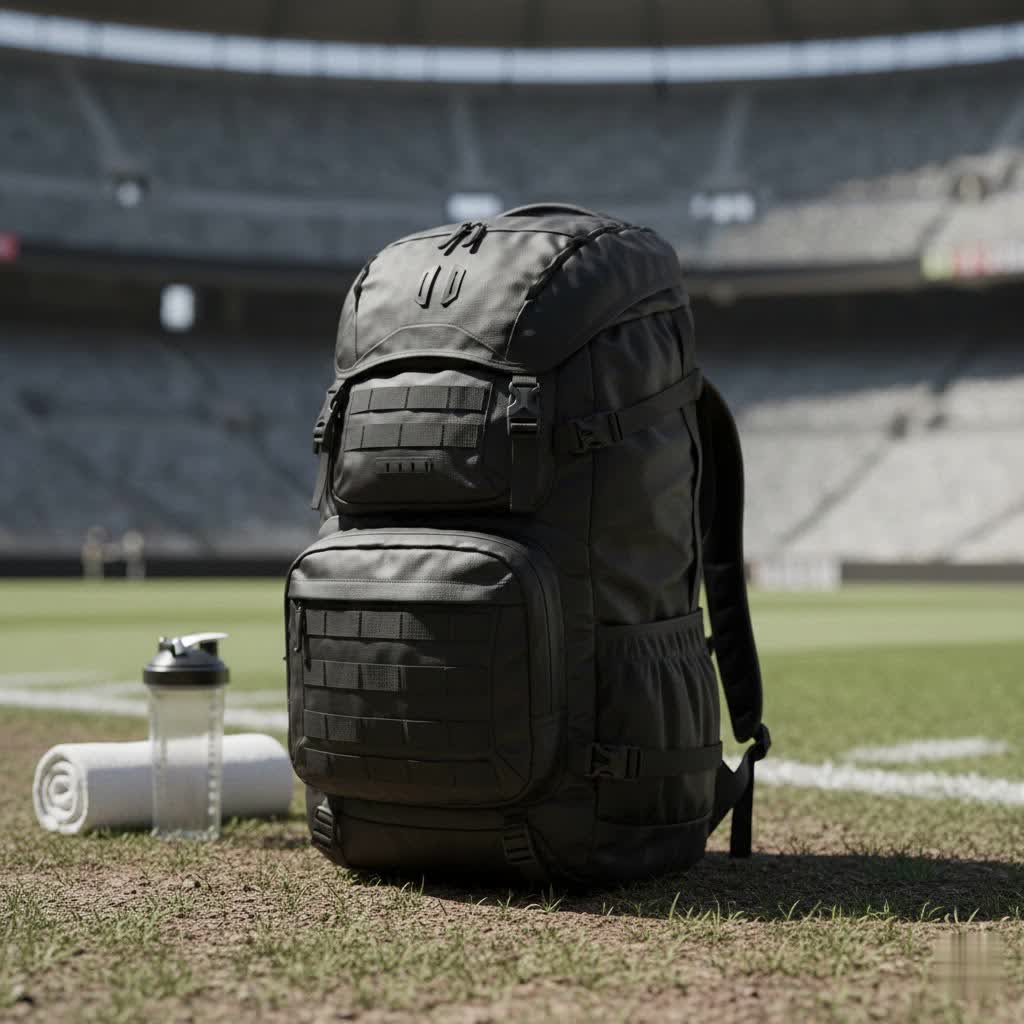
Embarking on a journey, whether for business or pleasure, often involves navigating airport terminals and airline regulations. The right backpack for plane travel can transform a potentially stressful experience into a seamless adventure, eliminating checked baggage fees and the anxiety of lost luggage. But with countless options available, how do you find the perfect companion that meets airline carry-on rules while still holding all your essentials? This comprehensive guide will walk you through everything you need to know to select a travel backpack that’s perfectly suited for your next flight.
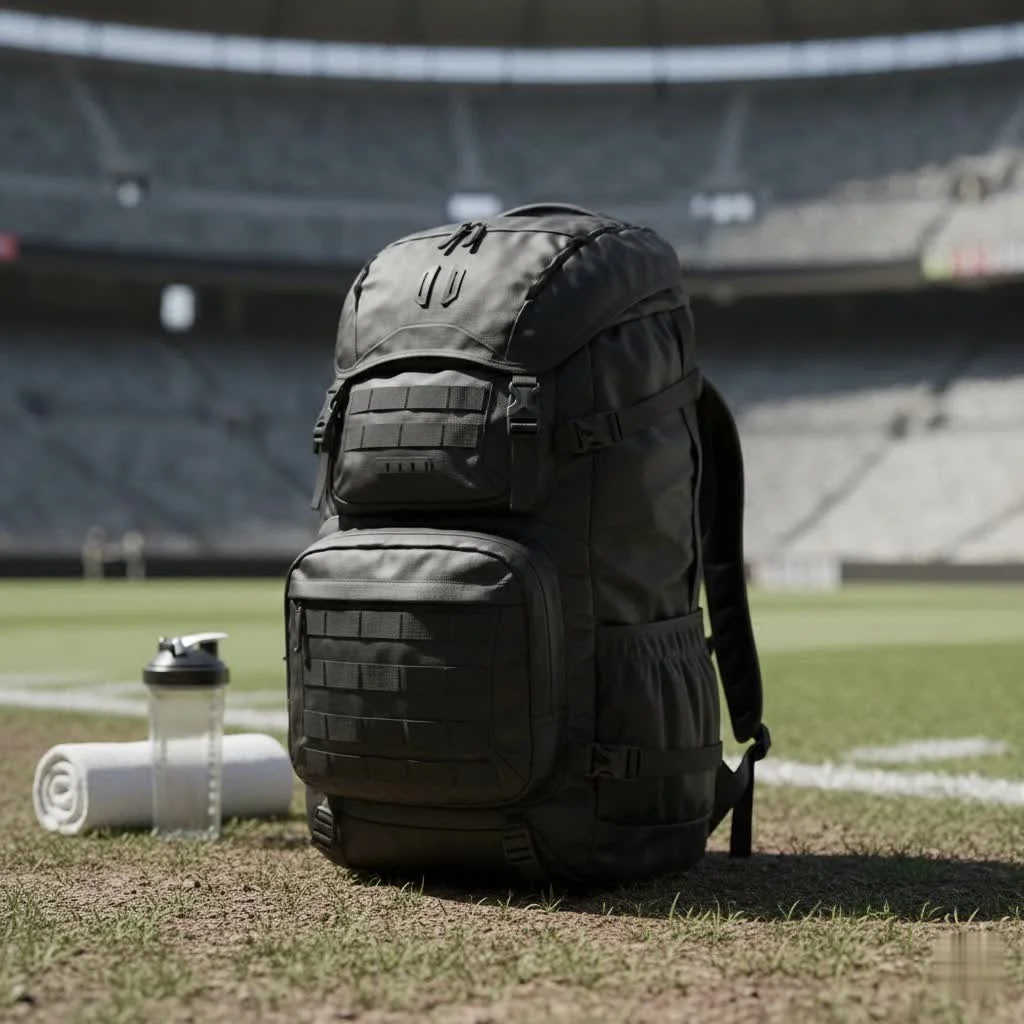
Travel Backpacks for Flights: Overview and Perfect Selection
A backpack designed for plane travel is more than just a bag; it’s a strategic tool engineered to maximize space, ensure comfort, and comply with strict airline carry-on dimensions. Unlike traditional hiking or school backpacks, plane travel backpacks often feature sleek designs, smart organizational systems, and robust construction tailored for the rigors of airport life. The primary goal is to fit comfortably into overhead bins or under the seat, avoiding the need for checking baggage.
The market offers several types of travel backpacks, each with specific advantages. Some are minimalist daypacks suitable for personal items, while others are full-fledged carry-on replacements designed to hold a week’s worth of clothing. The key is finding one that balances capacity with compliance, ensuring a hassle-free journey.
Essential Criteria for Choosing a Backpack for Plane Travel
Selecting the ideal backpack for plane travel requires careful consideration of several factors. From its holding capacity to its material and design, each element plays a crucial role in your overall travel experience.
Capacity: Finding the Right Literage
The capacity of your travel backpack, measured in liters (L), is paramount when flying. Most airlines permit carry-on bags between 40-50 liters, though this can vary. For shorter trips or if you frequently fly on budget airlines, a 25-35 liter backpack might be more appropriate to ensure it qualifies as a personal item or a smaller carry-on. Longer trips or those requiring more gear typically call for a 35-45 liter option.
To estimate the capacity you need, consider the length of your trip and your packing style. A good rule of thumb is:
- 20-30L: Ideal for weekend getaways (1-3 days) or as a dedicated personal item.
- 30-40L: Versatile for 3-7 day trips, fitting most standard carry-on requirements.
- 40-50L: Suitable for longer trips (7-14 days) or those who pack more, pushing the maximum carry-on limit.
Always check your specific airline’s carry-on dimensions and weight restrictions, as these can differ significantly, especially for international or budget carriers.
Material: Durability and Weather Resistance
|
Our Picks for the Best Travel Backpack in 2026
As an Amazon Associate I earn from qualifying purchases.
|
||
| Num | Product | Action |
|---|---|---|
| 1 | coowoz Travel Backpack For Women Men,Carry On Backpack,Hiking Backpack Waterproof Outdoor Sports Rucksack Casual Daypack Travel Essentials(Olive Green) |

|
| 2 | Taygeer Travel Backpack for Women, Carry On Backpack with USB Charging Port & Shoe Pouch, TSA 15.6" Laptop Back Pack Flight Approved, College Gym Bag Casual Daypack for Weekender Business Hiking,Beige |
|
| 3 | coowoz Travel Backpack For Women Men,Carry On Backpack,Hiking Backpack Waterproof Outdoor Sports Rucksack Casual Daypack Travel Essentials(Blue) |
|
| 4 | Taygeer Carry On Backpack, Womens Travel Backpack with USB Charging Port & Shoe Pouch, Laptop Mochila 15.6inch Flight Approved, College Teacher Tote Bag for Business Travel Supplies, Grey |
|
| 5 | coowoz Travel Backpack For Women Men,Carry On Backpack,Hiking Backpack Waterproof Outdoor Sports Rucksack Casual Daypack Travel Essentials(Black) 25L |
|
| 6 | Taygeer Carry On Backpack, 35l Travel Backpack for Women Airline Approved, Cute Underseat Personal Item Travel Bag With Shoe Compartment, Casual Daypack Gifts for Friend Hiking Outdoor Weekend,Blue |
|
| 7 | Taygeer Travel Laptop Backpack for Men Women, Airplane Approved Travel Backpack Suitcase with Usb Charging Port, Lightweight College 35l Luggage Bag 15.6inch Laptop Mochila Gifts for Business,Black |
|
| 8 | Taygeer Laptop Backpack Purse for Women, Backpack for College Essentials with 15.6inch Laptop Compartment, Travel Bag Airline Approved CarryOn Work Bag for Nursing Doctor Business Travel, Brown |
|
| 9 | coowoz Travel Backpack For Women Men,Carry On Backpack,Hiking Backpack Outdoor Sports Rucksack Casual Daypack travel essentials(Beige Brown) |
|
| 10 | Taygeer Travel Backpack for Women, Carry On Backpack with USB Charging Port & Shoe Pouch, TSA 15.6inch Laptop Mochila Flight Approved, Nurse Bag Casual Daypack for Weekender Business Hiking, Pink |
|
The material of your backpack dictates its durability, weight, and protection against the elements. You want a material that can withstand constant handling, being slid under seats, and jostled in overhead compartments. Common choices include:
- Nylon: Known for its excellent strength-to-weight ratio, tear resistance, and durability. Ballistic nylon is particularly tough.
- Polyester: Often more affordable than nylon, polyester is also durable and resistant to abrasion. It can be treated for water resistance.
- Canvas: While stylish, canvas is generally heavier and less water-resistant than synthetic options, making it less ideal for heavy-duty plane travel.
Look for features like reinforced stitching and high-quality YKK zippers, which are critical for longevity. Water-resistant coatings or fabrics are also essential to protect your belongings from unexpected spills or rain showers during transit.
Design and Features: Smart Organization and Accessibility
A well-designed backpack offers more than just space; it provides intelligent organization and easy access to your belongings. Key features to prioritize include:
- Clamshell Opening: This allows the backpack to open flat like a suitcase, making packing and accessing items much easier than a top-loader.
- Dedicated Laptop Compartment: A padded, easily accessible laptop sleeve is crucial for quick removal at security checkpoints and protects your device. Some even lie flat, further streamlining the security process.
- External Compression Straps: These help cinch down the backpack when not full, allowing it to conform better to airline sizers and prevent contents from shifting.
- Quick-Access Pockets: Pockets on the top, front, or sides for essentials like passports, tickets, water bottles, and snacks are invaluable.
- Hidden Pockets: For added security, look for concealed pockets for valuables like cash or identification.
- Trolley Sleeve: A strap on the back that allows you to slide the backpack over the handle of a rolling suitcase, making airport navigation much easier.
- Internal Organization: Mesh dividers, zippered pockets, and elastic straps inside the main compartment help keep your clothes and gear neatly organized and prevent them from jumbling together.
Comfort: Ergonomics for Airport Navigation
Even if you’re only carrying it through an airport, comfort is paramount. A heavy, uncomfortable backpack can quickly turn your journey into a chore. Look for:
- Padded Shoulder Straps: Thick, well-contoured padding helps distribute weight evenly and reduces pressure on your shoulders.
- Adjustable Harness System: The ability to adjust shoulder strap height and back panel length ensures a proper fit for various torso sizes.
- Sternum Strap: This strap connects the shoulder straps across your chest, helping to stabilize the load and reduce sway.
- Padded Hip Belt: A hip belt transfers a significant portion of the pack’s weight from your shoulders to your hips, crucial for heavier loads or extended wear. Ideally, it should be removable or stowable to avoid snags and bulk when not in use.
- Breathable Back Panel: Mesh or channeled padding on the back panel promotes airflow, reducing sweat and increasing comfort.
Choosing a backpack that fits your body correctly can make a world of difference, especially during long layovers or unexpected gate changes.
Comparing Popular Travel Backpack Brands
The market for plane travel backpacks is competitive, with several brands consistently delivering high-quality, feature-rich options. Here’s a comparison of some top contenders known for their reliability and carry-on compliance.
Comparison Table: Top Backpacks for Plane Travel
| Feature/Brand | Osprey Farpoint/Fairview 40L | Aer Travel Pack 3 (Small/Standard) | TOM BIHN Techonaut 30/Synik 30 | Cotopaxi Allpa 35L | Peak Design Travel Backpack 30L/45L |
|---|---|---|---|---|---|
| Capacity | 40L (carry-on max) | 35L (standard), 30L (small) | 30L | 35L | 30L (standard), 45L (expandable) |
| Price Range | Mid-Range | High-Range | Premium | Mid-High Range | High-Range |
| Materials | Recycled Polyester, DWR | CORDURA® Ballistic Nylon, YKK | Ballistic Nylon, Halcyon, etc. | TPU-Coated Polyester | 400D Nylon, DWR |
| Opening | Clamshell | Clamshell | Clamshell (main), versatile | Clamshell | Clamshell |
| Laptop Access | External, Padded | Rear, Padded | Rear, Padded | Rear, Padded | Rear, Padded, Dedicated |
| Comfort | Adjustable harness, breathable back panel, hip belt (bulky) | Padded straps, optional hip belt, load lifters | Supportive back panel, comfortable carry options | Padded back, non-removable hip belt (can feel snug) | Comfortable harness, sternum strap, good structure |
| Organization | Main compartment, mesh pockets, front stash pocket | Streamlined, hidden pocket, internal compression | Clever, customizable with O-rings & pouches | Mesh dividers, internal organization | Structured sides, side pockets, front pocket organization |
| Durability | Very High | Excellent | Exceptional | High | High |
| Best For | Adventure travel, budget-conscious, comfortable carry | Urban travel, sleek look, excellent organization | Versatile carry, durable, highly organized | Rugged, adventurous travel, strong organization | Photography, tech-heavy travelers, sleek design |
- Osprey Farpoint 40 (and Fairview 40 for women): A long-standing favorite, praised for its comfortable harness system, clamshell opening, and durable construction, making it an excellent budget-friendly choice for one-bag travel.
- Aer Travel Pack 3: Known for its sleek, urban aesthetic and robust build quality. It excels in organization with thoughtful compartments and effective compression straps.
- TOM BIHN Techonaut 30/Synik 30: Offers exceptional durability and highly customizable internal organization, often considered a premium, long-lasting investment.
- Cotopaxi Allpa 35L Travel Pack: Features a rugged design with strong water resistance and excellent internal mesh dividers, ideal for adventure travelers who value organized packing.
- Peak Design Travel Backpack: Popular among photographers and tech enthusiasts for its clever design, easy access, and adaptability with camera cubes. It offers good structure and a comfortable harness.
“The perfect travel backpack seamlessly integrates into your journey, not just holding your gear, but enhancing your movement and peace of mind. It’s an extension of your preparedness.” – Alex Chen, Travel Gear Analyst
Where to Buy a Plane Travel Backpack?
Once you’ve identified the features and brands that appeal to you, the next step is purchasing your travel backpack. Both online and retail options offer distinct advantages.
Online Shopping Channels
Online retailers provide a vast selection, competitive pricing, and the convenience of shopping from home. Reputable websites often include detailed product descriptions, user reviews, and comparison tools. Key platforms include:
- Brand Websites: Many top brands like Osprey, Aer, and Cotopaxi sell directly from their sites, often offering exclusive deals or the latest models.
- Large Outdoor/Travel Retailers (e.g., REI, Backcountry): These sites offer a curated selection of high-quality brands and often have excellent return policies.
- General E-commerce Sites (e.g., Amazon, Zappos): Provide a wide range of options, from budget-friendly to premium, with extensive user reviews to help guide your decision.
When buying online, always scrutinize customer reviews for insights into real-world performance and durability. Pay close attention to the return policy and warranty information.
Retail Stores
Shopping at physical retail stores allows you to see and feel the backpack in person, which is invaluable for assessing comfort and fit.
- Specialty Outdoor/Travel Stores: Staff at these stores are often knowledgeable and can provide personalized recommendations based on your travel style and body type. You can also try on the backpack with weights to get a better sense of its loaded feel.
- Department Stores: Larger department stores may carry a selection of travel backpacks, though the variety might be limited compared to specialty stores.
The advantage of in-store shopping is the ability to physically inspect the materials, zippers, and compartments, and to try on the backpack to ensure it fits comfortably before committing to a purchase.
How to Use and Maintain Your Plane Travel Backpack
Optimizing your backpack for plane travel extends beyond just buying the right one; it also involves smart packing and proper maintenance.
How to Pack Efficiently for Plane Travel
Efficient packing maximizes space and keeps your items organized, often allowing you to fit more into a smaller, carry-on compliant bag.
- Roll Your Clothes: Rolling clothes tightly can save space and reduce wrinkles.
- Use Packing Cubes: These fabric organizers compress clothing and categorize items, making it easy to find what you need without rummaging.
- Wear Your Bulkiest Items: Wear your heaviest shoes and jacket on the plane to save space and weight in your backpack.
- Utilize Small Spaces: Stuff socks, underwear, or small accessories into shoes or the corners of your bag.
- Keep Essentials Accessible: Place items you’ll need during the flight (e.g., passport, wallet, snacks, headphones, charging cables) in quick-access pockets or the top of your main compartment.
- Protect Fragile Items: Wrap delicate items in clothing or use dedicated padded sleeves.
Cleaning and Maintenance
Proper care extends the life of your travel backpack, keeping it ready for countless adventures.
- Spot Clean: For small spills or dirt, use a damp cloth with mild soap to spot clean the affected area.
- Deep Clean (as needed): For a more thorough clean, empty the backpack completely. Use a soft brush or sponge with mild soap and lukewarm water. Avoid harsh detergents or bleach.
- Air Dry: Always air dry your backpack completely, preferably out of direct sunlight, to prevent mold and mildew. Never put it in a dryer.
- Store Properly: When not in use, store your backpack in a cool, dry place, away from extreme temperatures and direct sunlight. Unzip compartments slightly to allow air circulation.
- Maintain Zippers: Periodically clean zippers and apply a zipper lubricant to ensure smooth operation and prevent sticking.
Buying Guide: Plane Travel Backpack – Smart Choices for Every Journey
Choosing the right backpack for plane travel is a personal decision that aligns with your specific travel needs and preferences. By following a structured approach, you can make an informed choice.
Determine Your Needs
Before even looking at bags, clarify your travel style:
- Type of Travel: Are you a minimalist one-bag traveler, a tech-heavy digital nomad, or an adventure seeker needing versatile gear?
- Trip Duration: Will this backpack serve for short weekend trips (20-30L), week-long adventures (30-40L), or longer journeys (40-50L)?
- Airline Habits: Do you frequently fly budget airlines with strict personal item limits, or standard carriers with more generous carry-on allowances?
- What You Carry: List your essential items. Do you need a dedicated laptop sleeve, multiple tech pockets, shoe compartment, or space for bulky outdoor gear?
Set a Budget
Travel backpacks range widely in price. Determine how much you’re willing to invest.
- Entry-Level (Under $100): Functional for occasional travel, but may compromise on durability or comfort features.
- Mid-Range ($100-$250): Offers a good balance of features, durability, and comfort for frequent travelers.
- Premium ($250+): Often boasts advanced materials, superior ergonomics, innovative features, and extended warranties for serious, long-term travel.
Look for sales or seasonal discounts, but prioritize quality over a low price, as a durable backpack is a long-term investment.
Read Reviews and Seek Recommendations
Leverage the experiences of other travelers.
- User Reviews: Consult reviews on retailer websites and dedicated travel gear blogs (like Reviewmaticx.com!) for real-world feedback on performance, comfort, and reliability.
- Expert Reviews: Look for detailed analyses from experienced travelers who have rigorously tested various backpacks.
- Community Forums: Engage with online travel communities to ask specific questions and get personalized recommendations.
Consider factors that are most important to you, whether it’s maximum carry-on capacity, superior comfort, or dedicated tech organization. The best backpack is ultimately the one that meets your unique requirements and makes your plane travel effortless.
Conclusion
Selecting the ideal backpack for plane travel is a critical step in preparing for any journey. By understanding airline regulations, prioritizing essential features like optimal capacity, durable materials, smart organization, and ergonomic comfort, you can significantly enhance your travel experience. Remember to factor in your specific needs, set a realistic budget, and consult reviews to find a backpack that not only meets but exceeds your expectations. With the right companion on your back, you’re ready to embrace every adventure, soaring through airports and exploring new destinations with unparalleled ease. What features are non-negotiable for your perfect plane travel backpack?
Frequently Asked Questions
What is the maximum size for a carry-on backpack?
Most airlines allow carry-on bags up to 22 x 14 x 9 inches (56 x 35 x 22 cm), including handles and wheels, to fit in overhead bins. However, international and budget airlines can have stricter limits, sometimes as small as 20 x 15 x 10 inches or a total linear dimension. It’s crucial to check your specific airline’s policy before flying to avoid extra fees.
Can I bring a backpack and a personal item on a plane?
Yes, generally you can bring one carry-on backpack and one personal item (like a smaller backpack, purse, or laptop bag) on most flights. The personal item must fit under the seat in front of you, typically not exceeding 9 x 10 x 17 inches (22 x 25 x 43 cm). Always verify this with your airline, especially if flying Basic Economy, as policies can vary.
What liter capacity backpack is best for international travel?
For international travel, a backpack with a capacity between 30-45 liters is often ideal. A 40-liter backpack is a popular choice as it often provides enough space for several days’ worth of clothing and essentials while still typically adhering to most international carry-on size limits. For minimalist packers or budget airlines, a 25-35L might be preferred.
Get our weekly buyer guide
Practical specs, not advice. Unsubscribe anytime.

This guide saved me so much stress! I was always worried about my bag being too big for overhead bins, but understanding the specific airline regulations made all the difference. I invested in one of the recommended brands, and it’s incredibly durable and surprisingly spacious for its size. No more lost luggage anxiety for me!
I found the advice on maximizing space really helpful, especially the tips for rolling clothes. However, I still struggled a bit with comfort on my last trip. The backpack I chose, based on the dimensions, felt a little awkward after a few hours of walking through the airport. I think next time I’ll pay more attention to the strap design mentioned.
I appreciate the breakdown of different backpack types. I was looking for something that wasn’t a traditional hiking pack, and the suggestions here pointed me in the right direction for a more travel-specific design. My only minor complaint is that I wish there were a few more budget-friendly options highlighted, but overall, very useful information.
I used to dread packing for flights, always worried about fitting everything into a carry-on. This guide really helped me understand the importance of airline carry-on rules. I ended up getting a backpack that perfectly fits under the seat, and it’s been a game-changer for avoiding checked baggage fees. Highly recommend focusing on those dimensions!