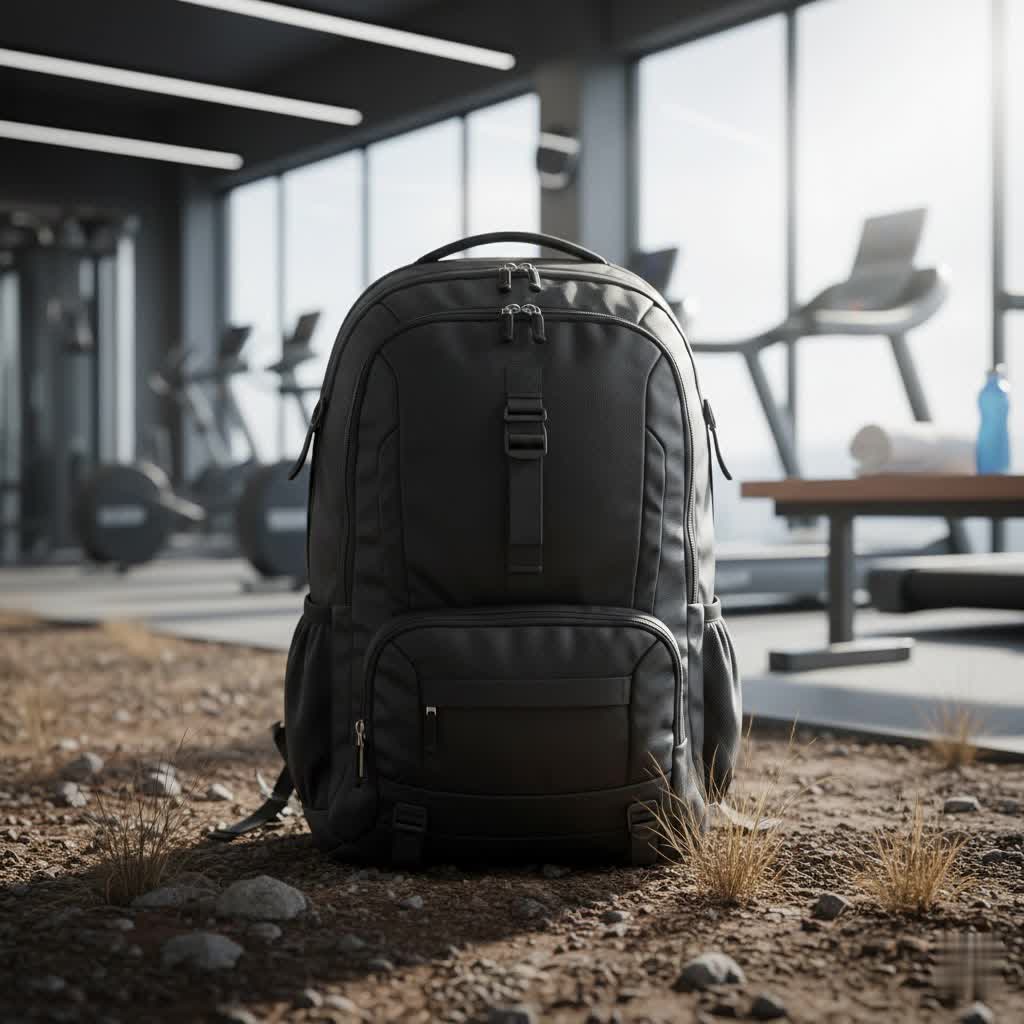
Tired of baggage claim queues, lost luggage, and the endless wait? Imagine breezing through the airport, your essentials within reach, and the freedom of hands-free travel. The Carry On Travel Backpack is more than just a bag; it’s a game-changer for modern explorers. Whether you’re a seasoned globetrotter or planning your first adventure, finding the perfect carry on companion can transform your journey, offering efficiency, comfort, and peace of mind.
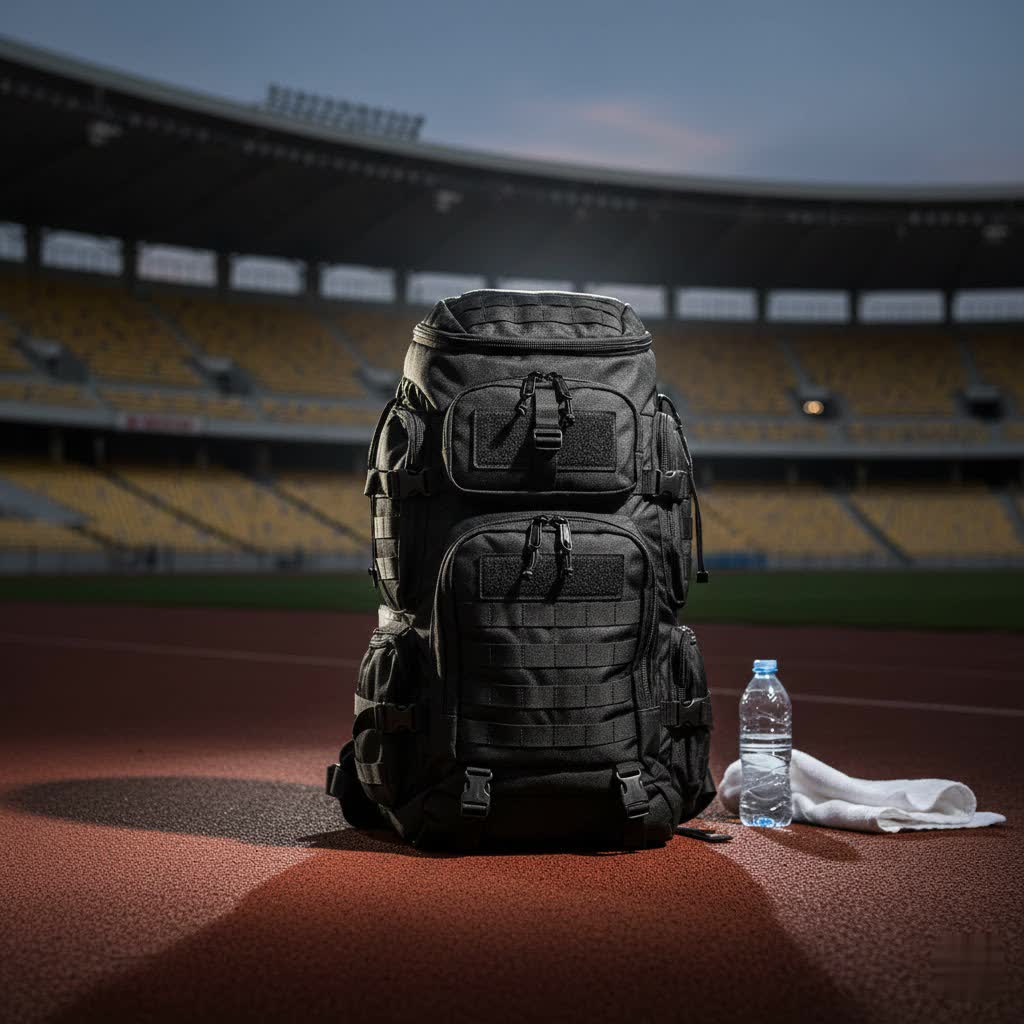
Carry On Travel Backpacks: Overview and Perfect Selection
A carry on travel backpack is specifically designed to meet airline size restrictions, allowing you to bring your luggage into the cabin with you. This eliminates the need to check a bag, saving you time, money, and the stress of potential lost items. These versatile packs strike a balance between ample storage and compact dimensions, making them ideal for everything from quick weekend getaways to extended trips with minimalist packing strategies.
The market offers various types, each catering to different travel styles. Front-loading or “clamshell” designs, which open like a suitcase, are incredibly popular for their ease of packing and access. Roll-top designs offer flexibility in capacity and weather resistance, while some innovative options even include convertible features or hidden wheels for added versatility. The ideal carry on backpack acts as your trusty sidekick, streamlining your travels and ensuring your focus remains on the experience, not your luggage.
Key Criteria for Choosing Your Carry On Travel Backpack
Selecting the right carry on travel backpack involves weighing several critical factors. Your personal travel style, trip duration, and the items you plan to bring will largely dictate the best choice for your needs.
Capacity
The capacity of your carry on backpack, measured in liters (L), is crucial. Most airlines enforce dimensions that generally translate to backpacks in the 35-45L range.
- 30L or less: Perfect for minimalist packers, overnight trips, or those flying budget airlines with stricter personal item policies. These are compact and easily fit under most seats.
- 35L-40L: This is the sweet spot for most travelers, providing enough room for 3-5 days or even a week’s worth of clothes if packed efficiently. Many popular carry-on models fall within this range, offering a balance of space and airline compliance.
- 45L and above: While some 45L bags can still qualify as carry-ons, they push the limits. Always check specific dimensions, as a fully packed 45L might exceed airline restrictions, especially if the bag isn’t designed with carry-on compliance in mind.
|
Our Picks for the Best Travel Backpack in 2026
We may earn a commission when you use one of our links to make a purchase.
|
||
| Num | Product | Action |
|---|---|---|
| 1 | coowoz Travel Backpack For Women Men,Carry On Backpack,Hiking Backpack Outdoor Sports Rucksack Casual Daypack travel essentials(Beige Brown) |

|
| 2 | Taygeer Travel Backpack for Women, Carry On Backpack with USB Charging Port & Shoe Pouch, TSA 15.6inch Laptop Mochila Flight Approved, Nurse Bag Casual Daypack for Weekender Business Hiking, Pink |
|
| 3 | Taygeer Carry On Backpack, Womens Travel Backpack with USB Charging Port & Shoe Pouch, Laptop Mochila 15.6inch Flight Approved, College Teacher Tote Bag for Business Travel Supplies, Grey |
|
| 4 | Taygeer Travel Laptop Backpack for Men Women, Airplane Approved Travel Backpack Suitcase with Usb Charging Port, Lightweight College 35l Luggage Bag 15.6inch Laptop Mochila Gifts for Business,Black |
|
| 5 | coowoz Travel Backpack For Women Men,Carry On Backpack,Hiking Backpack Waterproof Outdoor Sports Rucksack Casual Daypack Travel Essentials(Black) 25L |
|
| 6 | Taygeer Travel Backpack for Women, Carry On Backpack with USB Charging Port & Shoe Pouch, TSA 15.6" Laptop Back Pack Flight Approved, College Gym Bag Casual Daypack for Weekender Business Hiking,Beige |
|
| 7 | coowoz Travel Backpack For Women Men,Carry On Backpack,Hiking Backpack Waterproof Outdoor Sports Rucksack Casual Daypack Travel Essentials(Olive Green) |
|
| 8 | coowoz Travel Backpack For Women Men,Carry On Backpack,Hiking Backpack Waterproof Outdoor Sports Rucksack Casual Daypack Travel Essentials(Blue) |
|
| 9 | Taygeer Carry On Backpack, 35l Travel Backpack for Women Airline Approved, Cute Underseat Personal Item Travel Bag With Shoe Compartment, Casual Daypack Gifts for Friend Hiking Outdoor Weekend,Blue |
|
| 10 | Taygeer Laptop Backpack Purse for Women, Backpack for College Essentials with 15.6inch Laptop Compartment, Travel Bag Airline Approved CarryOn Work Bag for Nursing Doctor Business Travel, Brown |
|
To estimate your needs, consider the length and type of your trip. A two-week summer trip to a warm climate will require less space than a one-week winter adventure needing bulky layers.
Materials
The material of your carry on backpack impacts its durability, weight, and weather resistance.
- Nylon: Often found in ripstop varieties, nylon is lightweight, durable, and highly resistant to tears and abrasions. Many premium bags use high-denier nylon for enhanced longevity.
- Polyester: A common and affordable option, polyester offers good durability and is often treated for water resistance. It’s generally heavier than nylon but still reliable.
- Canvas: While stylish and rugged, canvas can be heavier and less water-resistant than synthetic options unless specially treated.
Look for bags with PU waterproofing or similar coatings to protect your belongings from unexpected rain or spills. Features like cut-resistant fabrics (e.g., UHMWPE) provide an extra layer of security, especially for travelers concerned about theft. Durable zippers, often self-repairing or lockable, are also a sign of quality construction.
Design and Features
Thoughtful design can significantly enhance your travel experience. Modern carry on backpacks come equipped with an array of features:
- Opening Style: A clamshell opening (like a suitcase) offers superior access to your main compartment, making packing and unpacking a breeze. Top-loading bags are common but can make finding items at the bottom difficult.
- Organization: Multiple compartments and pockets are key.
- Padded laptop sleeves (often side-access) protect your tech, typically accommodating 15-inch to 17-inch devices.
- Quick-access pockets are ideal for passports, boarding passes, snacks, and other immediate necessities.
- Hidden pockets provide secure storage for valuables like cash and important documents.
- External water bottle pockets are convenient.
- Compression straps (internal and external) help cincher down your load, making the bag more compact and preventing items from shifting.
- Ventilation: A breathable back panel and air mesh shoulder straps help keep you cool and comfortable, especially in warm climates or during long treks through airports.
- Other features: Some bags offer built-in USB charging ports, luggage pass-through sleeves for attaching to rolling luggage, and even integrated rain covers.
Comfort
Since you’ll be carrying your belongings, comfort is paramount. A well-designed harness system distributes weight effectively and reduces strain.
- Padded Shoulder Straps: Thick, contoured, and adjustable shoulder straps are essential for comfort.
- Hip Belt: A padded hip belt transfers a significant portion of the weight from your shoulders to your hips, crucial for heavier loads or longer wearing times. Many are detachable for a sleeker profile when not needed.
- Sternum Strap: This strap connects the shoulder straps across your chest, helping to stabilize the load and prevent the straps from slipping.
- Back Panel: Look for a padded, breathable back panel that offers good support without feeling stiff. Some designs incorporate air channels to reduce sweat.
- Adjustability: Ensure the straps and harness system are highly adjustable to fit your specific body type and torso length. A proper fit prevents chafing and discomfort.
Comparing Popular Carry On Travel Backpack Brands
The market for carry on travel backpacks is competitive, with several brands consistently delivering high-quality options. Here’s a brief comparison of some top contenders:
Comparison Table: Leading Carry On Travel Backpack Brands
| Brand | Key Features | Capacity Range (Typical Carry-On) | Price Range (Approx.) | Best For |
|---|---|---|---|---|
| Osprey | Excellent comfort & fit, durable, clamshell opening (Farpoint/Fairview) | 40L | $180 – $250 | Backpackers, adventurers, ergonomic comfort |
| Nomatic | Highly organized, versatile (duffel/backpack), tech-focused, durable, water-resistant | 40L | $250 – $350 | Digital nomads, business travelers, organization |
| Cotopaxi | Durable (Allpa series), vibrant colors, ethical manufacturing, good weight distribution | 35L, 42L | $200 – $300 | Travelers seeking durability & unique style |
| Peak Design | Photographer-friendly, modular design, excellent tech protection, high quality | 30L, 45L | $250 – $400 | Photographers, tech enthusiasts, premium feel |
| Tortuga | Designed specifically for carry-on travel, durable, waterproof fabric, spacious | 40L, 45L | $200 – $350 | One-bag travelers, international trips |
| Aer | Sleek, minimalist design, versatile for work & travel, durable | 28L, 33L, 36L | $200 – $300 | Urban commuters, minimalist, professional look |
| Matador | Weather-resistant, lightweight, packable, clamshell opening (GlobeRider) | 35L, 45L | $200 – $300 | Outdoor-oriented, adventurous travelers |
Many brands also offer a women’s specific fit (like the Osprey Fairview to the Farpoint), which often includes shorter torso lengths and specially shaped shoulder straps and hip belts for enhanced comfort.
Where to Buy a Carry On Travel Backpack?
Once you’ve narrowed down your preferences, the next step is finding the perfect place to purchase your carry on travel backpack.
Online Retailers
Online shopping offers unparalleled convenience and selection.
- Major E-commerce Sites: Retailers like Amazon, REI, and Backcountry offer a vast array of brands and models, often with competitive pricing and frequent sales.
- Brand-Specific Websites: Purchasing directly from brands like Osprey, Nomatic, or Cotopaxi often grants access to their full product lines, specific colorways, and direct customer support.
- Specialty Travel Gear Sites: Websites dedicated to travel gear might offer niche brands or curated selections tailored to specific travel styles.
When buying online, always:
- Check Return Policies: Ensure you can return or exchange the backpack if it doesn’t meet your expectations or fit properly.
- Read User Reviews: Gain insights into real-world performance, durability, and comfort from other travelers. Look for reviews that mention specific use cases similar to yours.
Brick-and-Mortar Stores
Visiting a physical store provides a unique advantage that online shopping cannot replicate.
- Specialty Outdoor & Travel Stores: Shops like REI, Decathlon, or local luggage stores often have knowledgeable staff who can offer expert advice.
- Advantages of In-Person Shopping:
- Try Before You Buy: You can physically try on different backpacks, load them with weight, and adjust the straps to assess comfort and fit. This is invaluable for ensuring the harness system aligns with your body.
- Expert Consultation: Staff can help you understand features, compare materials, and recommend models based on your specific travel needs.
How to Use and Maintain Your Carry On Travel Backpack
Maximizing the utility and lifespan of your carry on travel backpack goes beyond just buying it; smart packing and proper maintenance are equally important.
Smart Packing Strategies
Efficient packing is an art that transforms a good backpack into an exceptional travel tool.
- Roll, Don’t Fold: Rolling clothes often saves more space and minimizes wrinkles compared to traditional folding methods.
- Utilize Packing Cubes: These organizational wonders compress your clothing, keep items tidy, and make it easy to separate outfits or categories of items (e.g., shirts in one cube, pants in another). They are essential for maximizing space and quick access.
- Weight Distribution: Place heavier items closer to your back and towards the middle of the backpack. This helps maintain your center of gravity and reduces strain on your shoulders and back.
- Prioritize Accessibility: Keep items you’ll need frequently or immediately (e.g., passport, documents, toiletries for security, snacks) in easily accessible external or top compartments.
- Protect Valuables: Use dedicated padded sleeves for laptops and tablets, and hidden pockets for passports, money, and other crucial documents.
- Liquids in Clear Bags: Always pack liquids in travel-sized containers within a clear, re-sealable bag to comply with airport security rules and prevent leaks.
Cleaning and Maintenance
Proper care extends the life of your carry on backpack, keeping it looking good and functioning optimally.
- Spot Cleaning: For minor dirt or stains, use a damp cloth with mild soap to spot clean the affected area. Avoid harsh chemicals that could damage the fabric.
- Deep Cleaning: If a more thorough cleaning is needed, hand washing with lukewarm water and a gentle soap is often best. Avoid machine washing, which can damage specialized coatings, frames, and zippers.
- Drying: Always air dry your backpack completely, preferably in a shaded, well-ventilated area. Avoid direct sunlight or machine dryers, which can degrade materials and cause shrinkage.
- Storage: When not in use, store your backpack in a cool, dry place away from direct sunlight. Ensure it’s empty and completely dry to prevent mold or mildew growth.
Buying Guide: Carry On Travel Backpack – Intelligent Choices for Every Journey
Choosing the ideal carry on travel backpack is a personal journey, but by following a structured approach, you can make an intelligent choice that serves you well for years to come.
Determine Your Needs
Start by honestly assessing your travel habits and requirements.
- What type of traveler are you? Are you a business professional needing a sleek, laptop-friendly bag, an adventure seeker requiring durability and weather resistance, or a minimalist aiming for ultimate lightness?
- How long are your typical trips? A weekend bag differs greatly from one meant for multi-week excursions.
- What are your essential items? Make a mental or physical list of non-negotiables, such as a laptop, camera gear, or specific clothing items, as these will influence capacity and feature requirements.
Set Your Budget
Carry on travel backpacks range widely in price, from budget-friendly options to premium investments.
- Value vs. Cost: Decide what you’re willing to spend, keeping in mind that a higher price often correlates with better materials, construction, and comfort features. A durable backpack is a long-term investment.
- Look for Sales: Keep an eye out for seasonal sales or promotions from your preferred brands and retailers.
Read Reviews
Leverage the experiences of others to inform your decision.
- User Feedback: Consult reviews from fellow travelers, focusing on aspects like comfort during extended wear, ease of packing, and real-world durability.
- Prioritize Your Factors: Pay extra attention to comments on features that are most important to you, whether it’s the laptop compartment, the water resistance, or the overall fit.
“A great carry on backpack doesn’t just hold your gear; it simplifies your entire travel philosophy, freeing you to experience the world without limits.” – Ava Chen, Travel Gear Expert
Conclusion
Choosing the right carry on travel backpack empowers you to travel smarter, lighter, and with unparalleled freedom. By understanding your needs, scrutinizing capacity and materials, and prioritizing comfort and smart features, you can find a companion that stands up to every adventure. From bustling cityscapes to serene natural retreats, the perfect carry on travel backpack awaits, ready to transform how you explore the world. So, what’s holding you back from embracing the carry-on lifestyle?
Câu Hỏi Thường Gặp
What are the standard dimensions for a carry on travel backpack?
Most airlines adhere to a standard carry-on size of approximately 22 x 14 x 9 inches (56 x 36 x 22 cm) for overhead bins. However, always verify with your specific airline, as requirements can vary, especially for budget carriers or international flights, which might have slightly stricter limits.
Is a 40L backpack considered carry-on compliant?
Generally, a 40L backpack is often considered carry-on compliant if its dimensions remain within the typical airline limits of 22 x 14 x 9 inches. The key is how the bag is packed; an overstuffed 40L bag can expand beyond these dimensions, so always check the specific measurements of your chosen model and pack strategically.
How can I pack my carry on backpack most efficiently?
To maximize space, roll your clothes tightly, utilize packing cubes for compression and organization, and place heavier items near your back and at the bottom. Keep frequently needed items in easily accessible exterior pockets and always pack liquids in a clear, sealed bag to comply with security regulations.
What are the most important features to look for in a carry on travel backpack?
Key features include a comfortable and adjustable harness system (padded shoulder straps, hip belt, sternum strap), a clamshell or front-loading opening for easy access, a dedicated padded laptop sleeve, multiple organizational pockets, and durable, water-resistant materials to protect your belongings.
Can I bring a laptop in my carry on travel backpack?
Yes, most modern carry on travel backpacks are designed with travelers in mind and include a dedicated, padded sleeve for laptops, often with side access for convenience during security checks. Ensure the sleeve fits your laptop’s size (e.g., up to 15-inch or 17-inch).