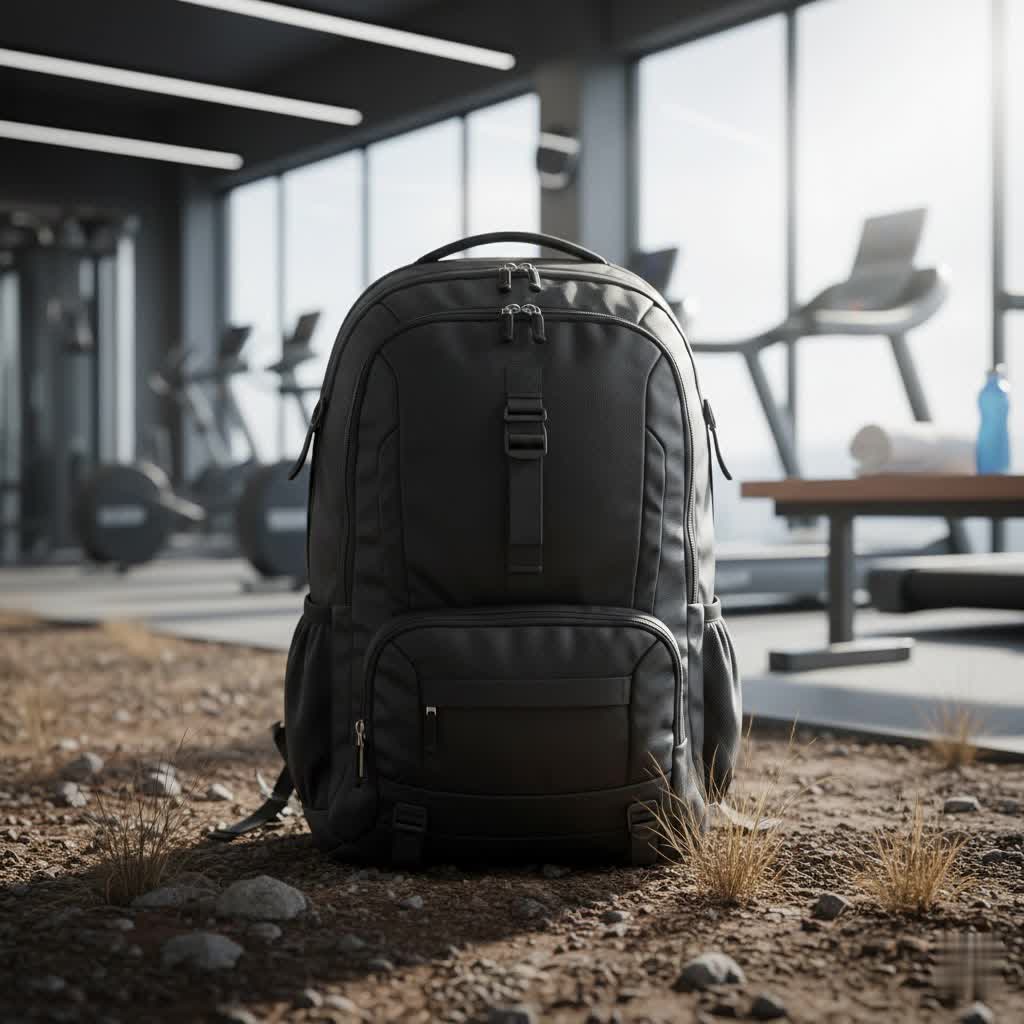
Embarking on a journey, whether for business or pleasure, often starts with a single, crucial decision: what to pack and how to carry it. For many seasoned adventurers, the Travel Backpack Personal Item has emerged as an indispensable companion, offering unparalleled convenience and the potential to navigate airports and cities with ultimate ease. This guide is crafted to help you uncover the perfect personal item backpack, ensuring your travels are always seamless, efficient, and free from unexpected baggage fees.
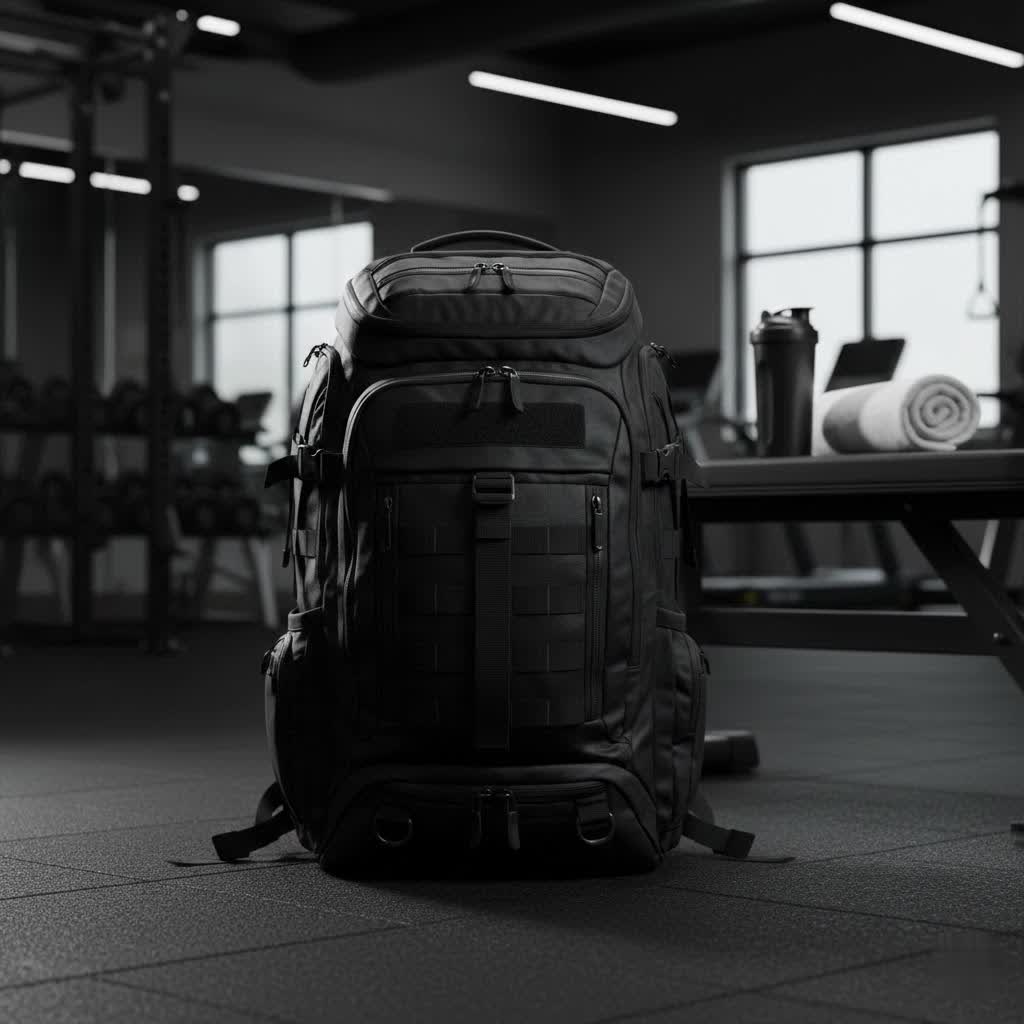
Travel Backpack Personal Item: Overview and Finding Your Perfect Match
A “personal item” in airline parlance is typically a small bag—such as a purse, briefcase, laptop bag, or a compact backpack—that is permitted in addition to your main carry-on and must fit under the seat in front of you. Unlike a standard carry-on, which usually goes in the overhead bin, your personal item stays with you, providing immediate access to your essentials throughout your flight.
Choosing a travel backpack as your personal item offers numerous benefits. It keeps your hands free, allowing for easier navigation through bustling terminals, and often helps travelers avoid checked baggage fees, especially on budget airlines. With the right personal item, you can keep valuable electronics, important documents, and comfort items within reach, transforming your journey into a more relaxed experience. However, a common misunderstanding lies in the varying size restrictions across different airlines, making careful selection paramount to avoid unwelcome surprises at the gate.
Essential Criteria for Choosing a Travel Backpack Personal Item
Selecting the ideal personal item backpack requires a thoughtful evaluation of several key factors, from size compliance to comfort and design.
Dimensions and Airline Compliance
|
Our Picks for the Best Travel Backpack in 2026
We may earn a commission when you use one of our links to make a purchase.
|
||
| Num | Product | Action |
|---|---|---|
| 1 | coowoz Travel Backpack For Women Men,Carry On Backpack,Hiking Backpack Waterproof Outdoor Sports Rucksack Casual Daypack Travel Essentials(Black) 25L |

|
| 2 | Taygeer Travel Laptop Backpack for Men Women, Airplane Approved Travel Backpack Suitcase with Usb Charging Port, Lightweight College 35l Luggage Bag 15.6inch Laptop Mochila Gifts for Business,Black |
|
| 3 | Taygeer Carry On Backpack, 35l Travel Backpack for Women Airline Approved, Cute Underseat Personal Item Travel Bag With Shoe Compartment, Casual Daypack Gifts for Friend Hiking Outdoor Weekend,Blue |
|
| 4 | Taygeer Travel Backpack for Women, Carry On Backpack with USB Charging Port & Shoe Pouch, TSA 15.6inch Laptop Mochila Flight Approved, Nurse Bag Casual Daypack for Weekender Business Hiking, Pink |
|
| 5 | Taygeer Carry On Backpack, Womens Travel Backpack with USB Charging Port & Shoe Pouch, Laptop Mochila 15.6inch Flight Approved, College Teacher Tote Bag for Business Travel Supplies, Grey |
|
| 6 | Taygeer Laptop Backpack Purse for Women, Backpack for College Essentials with 15.6inch Laptop Compartment, Travel Bag Airline Approved CarryOn Work Bag for Nursing Doctor Business Travel, Brown |
|
| 7 | coowoz Travel Backpack For Women Men,Carry On Backpack,Hiking Backpack Waterproof Outdoor Sports Rucksack Casual Daypack Travel Essentials(Olive Green) |
|
| 8 | Taygeer Travel Backpack for Women, Carry On Backpack with USB Charging Port & Shoe Pouch, TSA 15.6" Laptop Back Pack Flight Approved, College Gym Bag Casual Daypack for Weekender Business Hiking,Beige |
|
| 9 | coowoz Travel Backpack For Women Men,Carry On Backpack,Hiking Backpack Waterproof Outdoor Sports Rucksack Casual Daypack Travel Essentials(Blue) |
|
| 10 | coowoz Travel Backpack For Women Men,Carry On Backpack,Hiking Backpack Outdoor Sports Rucksack Casual Daypack travel essentials(Beige Brown) |
|
The most critical aspect of a personal item backpack is its dimensions. While many US airlines generally allow personal items up to approximately 18 x 14 x 8 inches, these guidelines are not universal, and variations can be significant, especially with international or budget carriers. For instance, American Airlines specifies personal items should not exceed 18 x 14 x 8 inches (45 x 35 x 20 cm). Other airlines, such as United, might have limits around 17 x 10 x 9 inches, while some European and Canadian airlines, like Westjet or British Airways, could be as strict as 16 x 13 x 6 inches, with some Aer Lingus regional flights limiting depth to 8 inches. To ensure compliance across most carriers, particularly for international travel, aiming for a backpack around 16 x 10 x 6 inches (or a max of 40 x 30 x 20 cm) is often considered the safest bet. Always double-check your specific airline’s current regulations before flying to prevent unexpected fees.
Capacity (Liters)
The capacity of a personal item backpack typically ranges from 15 liters for minimalist travelers to around 30 liters for those looking to maximize under-seat storage. Estimating the required capacity involves considering the duration and nature of your trip, as well as the essential items you plan to carry. For a weekend getaway, a 20-25 liter bag might suffice, while longer trips might push towards the 28-30 liter range. The key is to find a balance where the bag offers ample space for your needs without exceeding airline dimension limits, especially when fully packed.
Material and Durability
The longevity and performance of your personal item backpack largely depend on its materials and construction. Common materials include rugged nylon, durable polyester, and advanced options like CORDURA® ballistic nylon or X-Pac, known for their exceptional strength-to-weight ratio. Look for features like water resistance or DWR (Durable Water Repellent) coatings to protect your belongings from unexpected spills or rain. High-quality hardware, such as YKK zippers and robust buckles, further ensures your bag can withstand the rigors of frequent travel.
Design and Features
Thoughtful design and smart features can significantly enhance your travel experience. Key organizational elements include multiple compartments, quick-access pockets for essentials like passports or phones, and a dedicated, padded laptop sleeve. A clamshell opening, which allows the main compartment to open fully like a suitcase, makes packing and accessing items much easier. External features like water bottle pockets, compression straps to cinch down the bag’s volume, and a luggage pass-through sleeve for attaching it to a rolling carry-on are also highly beneficial. Some versatile designs even convert between a backpack, tote, or messenger bag, offering flexibility for various situations.
Comfort and Ergonomics
Even a small personal item backpack can become uncomfortable if not designed ergonomically. Look for padded shoulder straps and a breathable back panel to distribute weight evenly and prevent discomfort, especially during long airport transits. Adjustable sternum straps can further stabilize the load, while a removable hip belt, though less common on smaller personal items, can provide additional support if you choose a slightly larger capacity bag that might approach carry-on size. Prioritizing comfort ensures you can carry your essentials without strain.
Top Travel Backpack Personal Item Brands and Models
The market offers a diverse range of personal item backpacks, each with unique strengths. Here’s a comparison of some popular options frequently praised by travelers for their suitability as personal items.
Detailed Comparison Table
| Brand/Model | Capacity (Approx.) | Key Features | Pros as Personal Item | Cons as Personal Item | Best For |
|---|---|---|---|---|---|
| CabinZero 28L Underseat | 28L | Clamshell opening, lockable zippers, side handle | Guaranteed fit on many budget airlines, lightweight | Minimal padding, limited organization | Budget travelers, short trips |
| Osprey Daylite Carry-On 35 | 35L (expandable) | Padded laptop sleeve, multiple compartments, breathable back panel | Comfortable, versatile, good organization | Might be too large when fully packed for strict airlines | Longer trips, one-bag travelers |
| Aer Travel Pack 3 Small | 28L | Ballistic nylon, clamshell, laptop sleeve, hidden pocket | Excellent durability, sleek design, smart organization | Higher price point | Tech-savvy, urban travelers |
| Beis Mini Weekender | 33L | Separate shoe compartment, trolley sleeve | Very spacious, stylish, good internal organization | Can be bulky, may exceed some airline depth limits | Style-conscious travelers, weekenders |
| TUMI Voyageur | 15L | Convertible (backpack/tote), numerous pockets | Premium quality, highly versatile, comfortable | High price, smaller capacity | Business travel, light packers |
| Evergoods CTB20/CTB26 | 20L/26L | Durable weather-resistant material, ergonomic harness | Robust, comfortable for extended wear, versatile | CTB26 can be wide, minimal internal organization | Adventurous travelers, active use |
| TOM BIHN Synik 30 | 30L | Exterior pockets, O-rings for modular pouches | Exceptional organization, durable, versatile carry | Unique aesthetic, can be pricey | Organized packers, daily carry |
| Peak Design Travel Backpack 30L | 30L (expands to 45L) | Camera-centric design, structured sides, laptop sleeve | Great for gear, comfortable harness, adaptable | May block internal pockets when fully packed | Photographers, tech enthusiasts |
“The true magic of a personal item backpack isn’t just about what it holds, but the freedom it gives you to move. It’s about streamlining your journey, not just your luggage.” – Alex Chen, Travel Gear Expert
Where to Buy Your Ideal Travel Backpack Personal Item
Finding the perfect personal item backpack means knowing where to look, whether you prefer the convenience of online shopping or the hands-on experience of retail stores.
Online Retailers
Online platforms offer an expansive selection of travel backpacks, allowing you to compare features, prices, and read countless user reviews from the comfort of your home. Websites like Amazon, Zappos, REI, and the official brand websites (e.g., Osprey, Aer, Tom Bihn, CabinZero) are excellent starting points. When purchasing online, pay close attention to the return policies, shipping costs, and detailed product descriptions to ensure the bag meets your specific needs and airline requirements. User reviews are invaluable for understanding real-world performance and fit.
Physical Stores
Visiting physical retail stores, such as specialty outdoor gear shops, luggage stores, or department stores, provides the advantage of trying on different backpacks. This allows you to assess comfort, fit, and how the bag feels when loaded. Expert staff can offer personalized advice based on your body type and travel style, helping you make a more informed decision. While the selection might be more limited than online, the ability to physically inspect the quality and ergonomics can be a significant benefit.
Maximizing Your Travel Backpack Personal Item: Packing and Maintenance Tips
A personal item backpack is a powerful tool for efficient travel, but its potential is fully unlocked with smart packing and proper care.
Smart Packing Strategies
Strategic packing is essential for maximizing the space in your personal item and ensuring a smooth security experience. Start with essentials: all important travel documents, wallet, ID, medications, and high-value electronics should be easily accessible. For clothing, employ techniques like rolling or using compression packing cubes to save space and keep items organized. Distribute weight evenly, placing heavier items like a laptop closest to your back for better balance and comfort. Utilize all available pockets for smaller items, and remember that wearing your bulkiest clothing (e.g., jacket, heaviest shoes) instead of packing it can free up significant space. Always be mindful of TSA liquid rules for toiletries, using travel-sized containers and a clear, quart-sized bag.
Care and Maintenance
Proper care extends the life of your personal item backpack. Regularly clean your bag according to the material’s instructions—most nylon and polyester bags can be spot-cleaned with mild soap and water. Avoid harsh chemicals that could damage the fabric or coatings. For deeper cleaning, follow manufacturer guidelines, often involving hand washing. When not in use, store your backpack in a cool, dry place away from direct sunlight to prevent material degradation. Ensure it’s completely dry before storing to avoid mildew or odors. Regular checks for wear and tear, especially on zippers and seams, can help you address minor issues before they become major problems.
Buying Guide: Travel Backpack Personal Item – Your Smart Choice for Every Journey
Navigating the vast array of personal item backpacks can feel overwhelming, but a systematic approach will lead you to the perfect travel companion.
Assess Your Travel Style and Needs
Before diving into options, clarify your travel habits. Are you a frequent flyer constantly battling budget airline restrictions, or an occasional traveler seeking a versatile bag for road trips and flights alike? Consider your typical destination—urban exploration versus outdoor adventures—and the average duration of your trips. Most importantly, list the non-negotiable items you must carry: a large laptop, specific camera gear, or an extensive toiletry kit will heavily influence the size and feature set you need. A clear understanding of your personal requirements is the foundation of a smart choice.
Set a Realistic Budget
Personal item backpacks range widely in price, from budget-friendly options under $50 to premium, feature-rich bags costing several hundred dollars. Determine how much you’re willing to invest, keeping in mind that higher price points often correlate with superior materials, durability, and specialized features. Consider the long-term value: a more expensive, well-constructed bag might outlast several cheaper alternatives, making it a more economical choice over time. Look out for sales and promotions, but prioritize quality over a low price tag alone.
Read Reviews and Testimonials
Harness the power of collective experience by delving into user reviews and testimonials. Look for insights from travelers who share similar travel styles or have experience with specific airlines you fly. Pay attention to comments regarding actual under-seat fit, durability in real-world scenarios, and the practicality of organizational features. These first-hand accounts can highlight both strengths and weaknesses that product descriptions might miss, offering invaluable perspectives to guide your final decision.
Conclusion
The travel backpack personal item is more than just a small bag; it’s a strategic tool that empowers you to travel smarter, lighter, and more efficiently. By understanding airline restrictions, prioritizing comfort and practical features, and carefully selecting a bag that aligns with your unique travel style, you can transform your journeys from stressful to seamless. Embracing a well-chosen personal item backpack means less time worrying about baggage and more time enjoying the adventure.
What essential item will you pack first in your new travel backpack personal item?
Câu Hỏi Thường Gặp
What’s the difference between a personal item and a carry-on?
A personal item is generally a smaller bag (like a backpack, purse, or laptop bag) designed to fit under the seat in front of you, typically allowed in addition to a larger carry-on bag. A carry-on is usually a larger piece of luggage that must fit in the overhead bin.
Can a laptop backpack be a personal item?
Yes, most laptop backpacks are designed with dimensions that qualify as a personal item, as long as they adhere to the airline’s specific size limits. They are ideal for keeping your electronics secure and accessible during your flight.
How many days of clothes can fit in a personal item backpack?
With efficient packing techniques like rolling clothes and using compression cubes, it’s possible to fit 3-5 days’ worth of clothing, plus essentials, into a 20-30 liter personal item backpack, especially for lighter garments.
Do all airlines have the same personal item size limits?
No, personal item size limits vary significantly by airline. While there are common dimensions (e.g., 18x14x8 inches), budget and international airlines often have stricter requirements, so always check with your specific carrier before flying.
Are personal items weighed?
Generally, personal items are not weighed by airlines, but rather checked for size compliance (fitting under the seat). However, some ultra-low-cost carriers, particularly internationally, may have weight restrictions for all cabin baggage, including personal items.